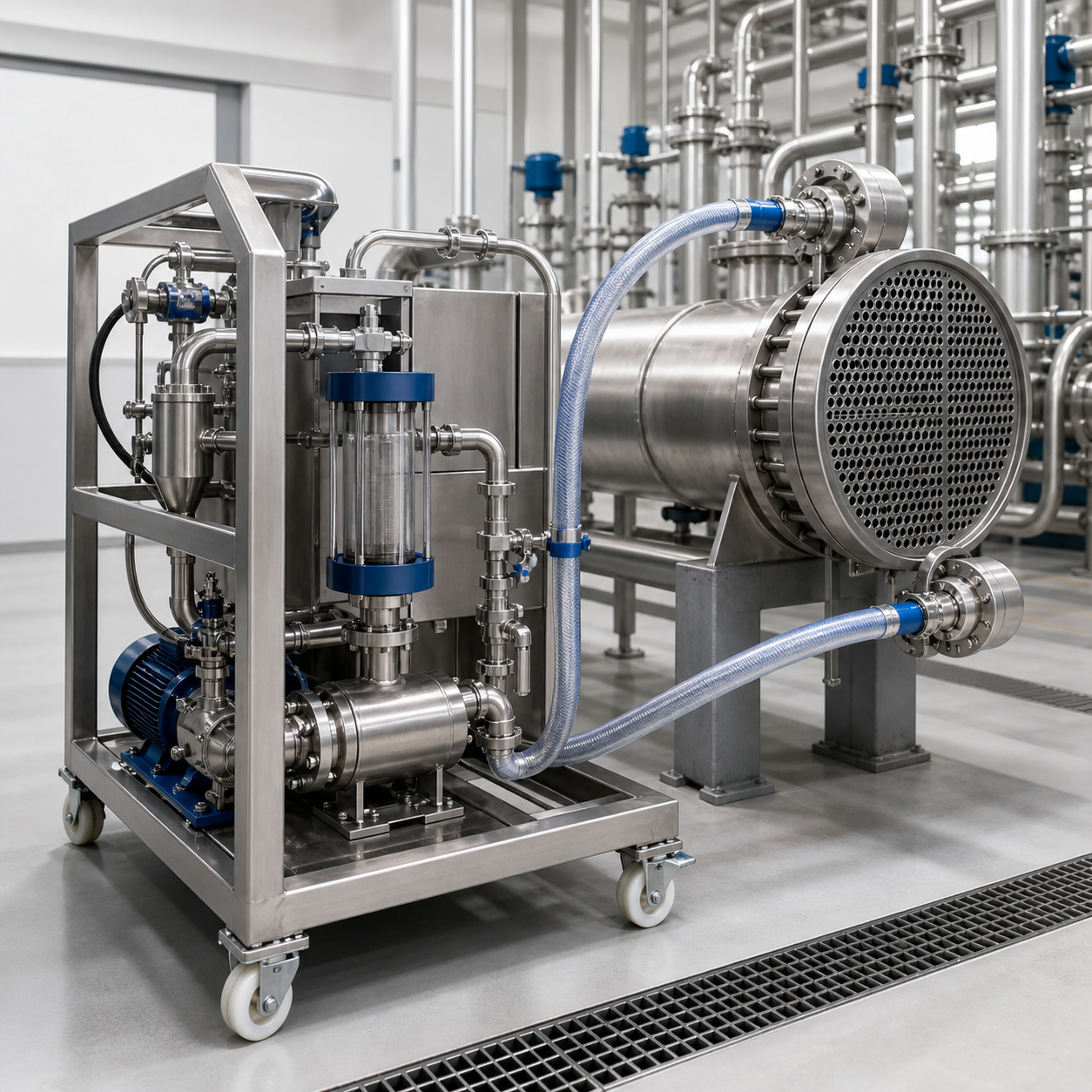
Formic acid can be considered for selected industrial descaling and metal-cleaning programs when an organic-acid system matches the deposit, metallurgy and operating constraints. Its suitability cannot be decided from acid strength alone. Scale mineralogy, metal alloy, weld condition, temperature, flow, inhibitor package, gas release, contact time and waste-treatment limits determine the result. A cleaning contractor or plant should test representative deposits and coupons before field use, then define an engineered circulation, monitoring, neutralization and rinse plan. Procurement teams need consistent concentration and controlled impurities, but they should not treat commodity acid as a complete cleaning formulation. The process owner remains responsible for inhibitor selection, materials review and safe execution.
Characterize the scale before choosing acid
Collect representative scale and identify iron oxides, carbonates, silicates, oil, corrosion products and process contaminants. One exchanger can contain layered deposits that respond differently. Bench solubility tests should measure removal rate and insoluble residue under realistic temperature and agitation. Acid selection without scale data can waste chemical or expose the equipment to unnecessary corrosion.
Include metallurgy in laboratory trials
Test base metal, welds and vulnerable components with the proposed acid, inhibitor and temperature. Record mass loss, pitting, discoloration and mechanical effects. Coupons should represent actual fabrication rather than a convenient generic steel. Define an acceptable corrosion limit and obtain qualified materials approval before field circulation.
Build a controlled cleaning recipe
The working solution may be diluted from a concentrated commercial product, but dilution must follow an engineered procedure with heat control and compatible equipment. Establish concentration, inhibitor dose, temperature, flow and maximum contact time through trials. More acid or longer exposure is not automatically better once scale removal slows.
Track the reaction during circulation
Monitor acid strength, dissolved metals, temperature, pressure drop, flow and gas behavior at planned intervals. Sampling points must represent the circulating loop. A declining acid concentration can reflect scale reaction, contamination or dilution; use the full data set before deciding whether to add chemical or end the cleaning stage.
Specify consistent incoming formic acid
State assay, water, color and application-sensitive impurities with agreed methods. Nonvolatile residue and metals may matter in a clean heat-transfer system. Require actual lot results on the COA, lot traceability and a retained sample. Validate several lots when approving a new source.
Separate product quality from formulation performance
The acid supplier certifies the purchased formic acid, while the cleaning contractor controls inhibitor, surfactant, dilution water and operating procedure. Investigate each input separately when corrosion or low removal occurs. This prevents rejecting conforming acid because an inhibitor was underdosed or scale analysis was incomplete.
Plan rinsing and waste management
Define drain, displacement rinse, neutralization and final acceptance before starting. Spent solution may contain dissolved metals, inhibitor and suspended solids, so disposal must meet site and local requirements. Verify residual acidity and cleanliness with approved inspection or analytical criteria rather than judging only by rinse-water appearance.
Use closed safety controls
NIOSH describes formic acid as corrosive, combustible in the referenced concentration and harmful by skin, eye and inhalation exposure. Use the current SDS and site assessment for ventilation, PPE, emergency showers, transfer connections and response. Keep strong oxidizers and strong caustics segregated from acid storage.
Use technical references as screening evidence
A historic descaling process reference documents aqueous formic-acid cleaning of iron-oxide scale, but its conditions are not a universal recipe. Modern plants must test their own deposits, metallurgy and inhibitor system.
Prepare a cleaning-grade RFQ
Provide concentration, critical impurities, required volume, package or bulk format, delivery date, destination, SDS language and COA format. Review the Hiacid formic acid supply page and product record, then request a documented quotation.
Related formic acid resources
- Formic Acid in Peroxyformic Pulp Processing
- Formic Acid for Oilfield Well Stimulation Programs
- Formic Acid Supply for Potassium Formate Runway Deicer
Frequently asked questions
Can formic acid remove every industrial scale?
No. Effectiveness depends on scale chemistry, and insoluble components may require another method.
Is commercial formic acid a complete cleaning formulation?
No. Inhibitors, dilution, circulation and monitoring must be engineered for the specific equipment.
Why are corrosion coupons required?
They help verify the effect of the complete cleaning solution on representative metals and weld conditions.
Which supplier documents should be requested?
Request a current SDS, lot-specific COA, traceability, agreed test methods and change notification.