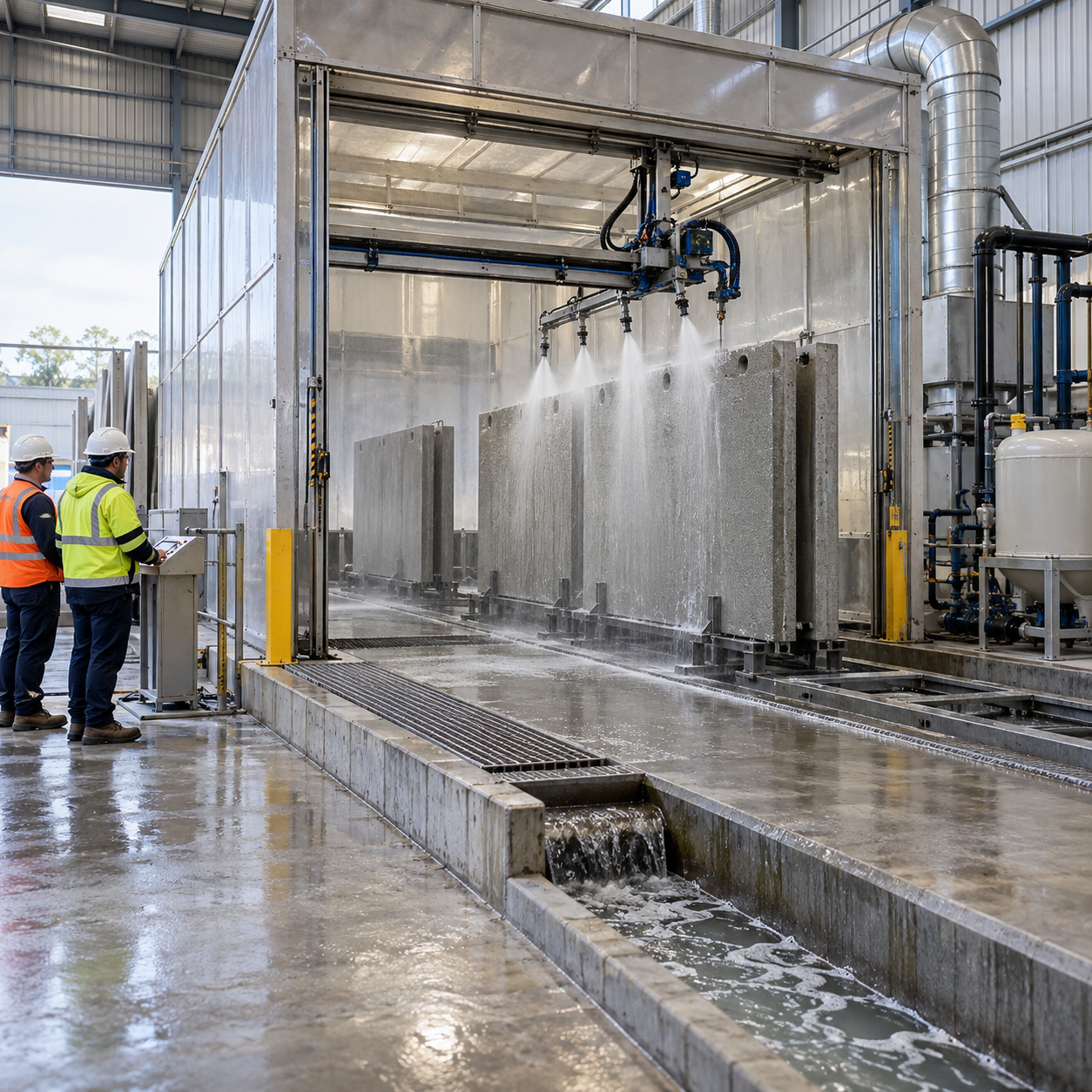
Hydrochloric acid, sometimes sold as muriatic acid, is used in selected controlled concrete cleaning or surface-preparation tasks. It reacts with cementitious material and can remove mineral deposits, but it can also weaken the surface, introduce chlorides, corrode embedded or adjacent metal and create hazardous vapor and wastewater. Modern coating systems often favor mechanical preparation or other chemistry, so HCl should be selected only after substrate, coating and environmental review. The aim is a verified surface profile and cleanliness, not visible foaming. This article is for industrial procurement and project planning. It intentionally omits mixing ratios and application instructions, which belong in an approved contractor method statement and site hazard plan.
For reliable B2B implementation, assign purchasing, quality, engineering, operations and EHS responsibilities before the first delivery. Approve receiving tests, sample points, storage, transfer equipment, deviation response and retained-sample periods in writing. During supplier qualification, compare several representative lots under controlled conditions and record process response, finished quality, waste load and equipment observations. This plan helps separate raw-material variation from operating or analytical changes and provides objective evidence for buyer-supplier investigations. Review packaging, transport, seal integrity and unloading records with laboratory data because contamination can occur after the supplier’s final test. Define who may release a lot, what requires quarantine, what evidence resolves a dispute and which supplier changes trigger requalification. Include current COA and SDS review, emergency contacts, complaint handling, delivery continuity and document retention in the approval. Close qualification with an authorized report, a controlled specification, assigned follow-up actions and routine performance monitoring. Hydrochloric acid is corrosive and can release hazardous hydrogen chloride vapor, so all handling must remain within engineered systems and approved procedures.
Define the required surface outcome
State the coating, repair or cleaning objective and the measurable acceptance criteria for laitance removal, profile, cleanliness, moisture and contaminants. Confirm the coating manufacturer’s current substrate requirements. An acid-treated appearance does not prove suitable adhesion.
Evaluate alternatives before selecting HCl
Compare mechanical preparation, water jetting and purpose-designed cleaners for the actual structure and contamination. Consider occupied areas, ventilation, embedded steel, drainage and coating compatibility. Choose HCl only when qualified evidence shows it is appropriate.
Inspect and test the concrete substrate
Identify concrete age, strength, porosity, previous sealers, cracks, reinforcement depth and contamination. Use representative test areas under controlled conditions. Different cement blends, finishes and curing history can react differently even within the same facility.
Protect metals and adjacent materials
Hydrochloric acid can attack many metals and chloride can migrate into porous concrete. Isolate steel, equipment, joints, glass and sensitive surfaces as required. The engineering review should address reinforcement corrosion risk rather than focusing only on the exposed face.
Control chemical quality and application system
Specify acid concentration, package and relevant impurities, then verify receiving identity and strength. Use engineered enclosed or well-ventilated equipment, compatible pumps and contained application where the approved method allows. Never substitute an unknown muriatic acid product.
Prevent uncontrolled vapor and runoff
Restrict access and establish capture before work starts. The NIOSH hydrogen chloride guide summarizes important exposure and incompatibility information. Site-specific ventilation, PPE and emergency controls must come from the hazard assessment.
Verify rinsing and coating readiness
The approved method must remove reaction products and residual acidity without spreading chloride contamination. Test the prepared surface using criteria appropriate to the coating system. Drying time, soluble salts and pH may all matter before primer or repair material is applied.
Use adhesion evidence to release the work
Inspect profile and cleanliness across representative locations, not only the test patch. Where required, perform adhesion or other acceptance testing. Record failures and corrective actions before covering the surface.
Plan waste treatment before mobilization
Collected liquid may contain acidity, calcium salts, metals and original contaminants. Characterize and manage it under local rules; do not discharge it to soil or stormwater. Include rinses, filters, absorbents and PPE in the waste plan.
Issue a controlled material inquiry
Provide acid concentration, package, required quantity, delivery location and documentation needs to the supplier. Review the Hiacid hydrochloric acid product page and request COA, SDS and supply terms for an approved industrial project.
Related hydrochloric acid resources
- Hydrochloric Acid Concentration Verification by Density and Titration
- Bulk Hydrochloric Acid Unloading Checklist for Industrial Sites
- Hydrochloric Acid for Boiler and Heat Exchanger Descaling
Frequently asked questions
Is acid etching always required before coating concrete?
No. The coating manufacturer and project specification may require mechanical preparation or another validated method.
Why is chloride a concern?
Chloride can remain in porous concrete and contribute to corrosion risk for embedded or adjacent steel.
Does visible bubbling prove the surface is ready?
No. Release requires measurable profile, cleanliness, residue, moisture and coating-specific acceptance criteria.
Can rinse water enter a storm drain?
No. Capture, characterization and disposal must follow the approved site plan and applicable local requirements.