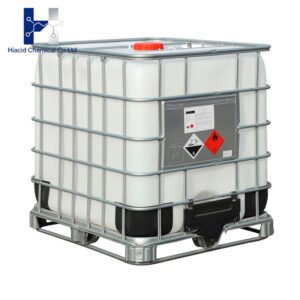
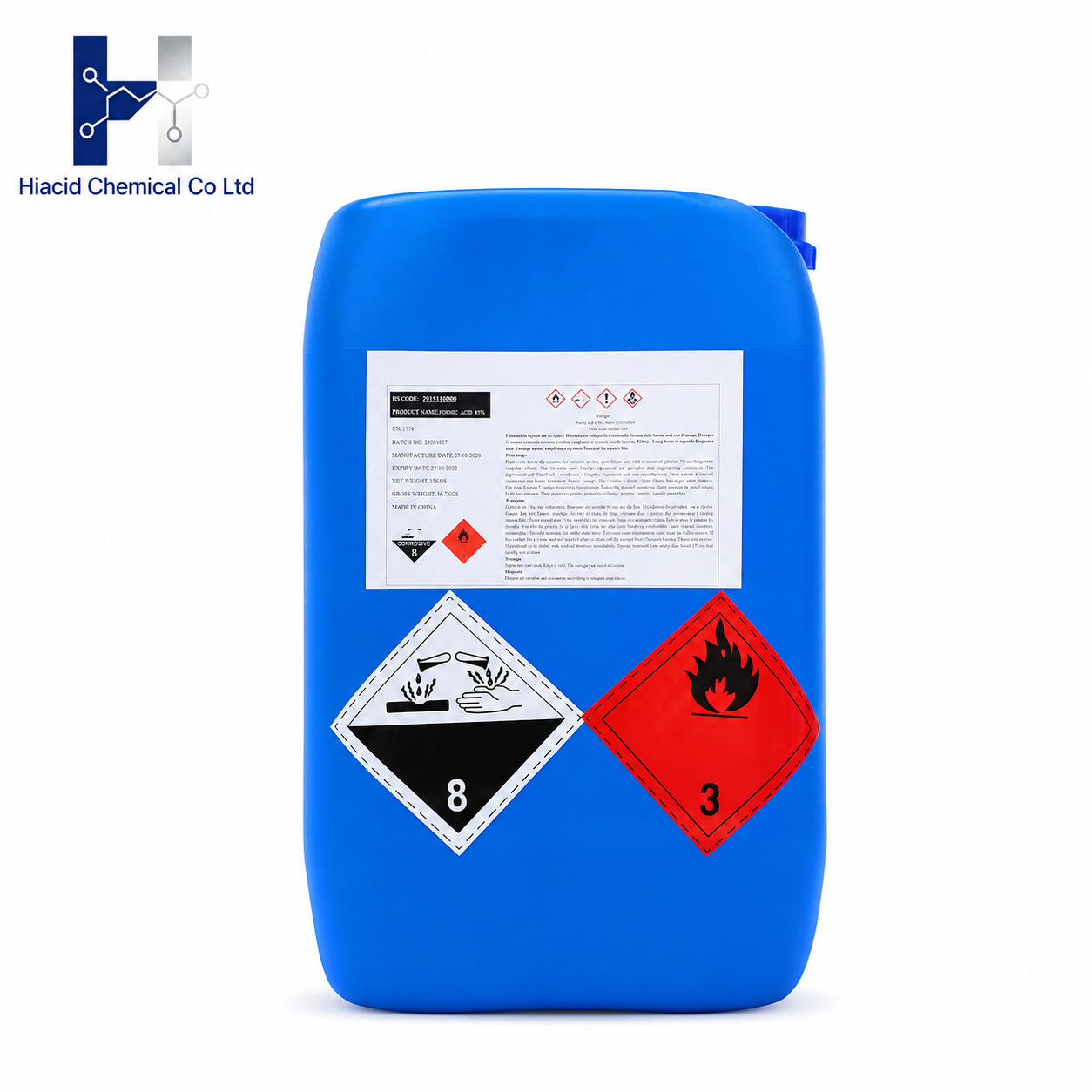
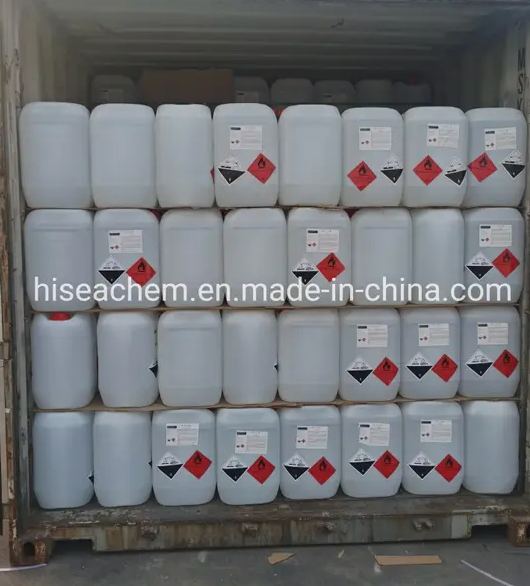
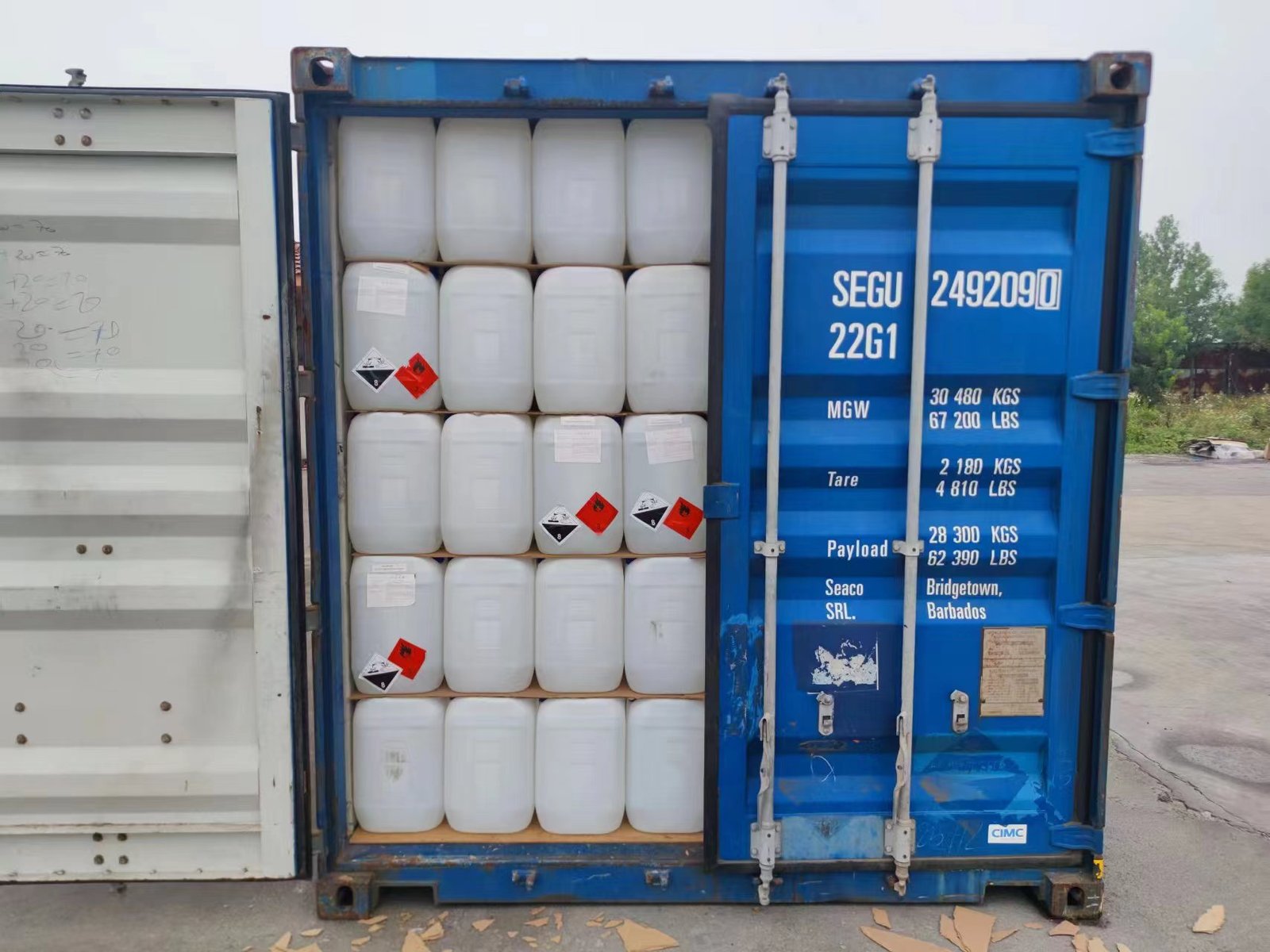
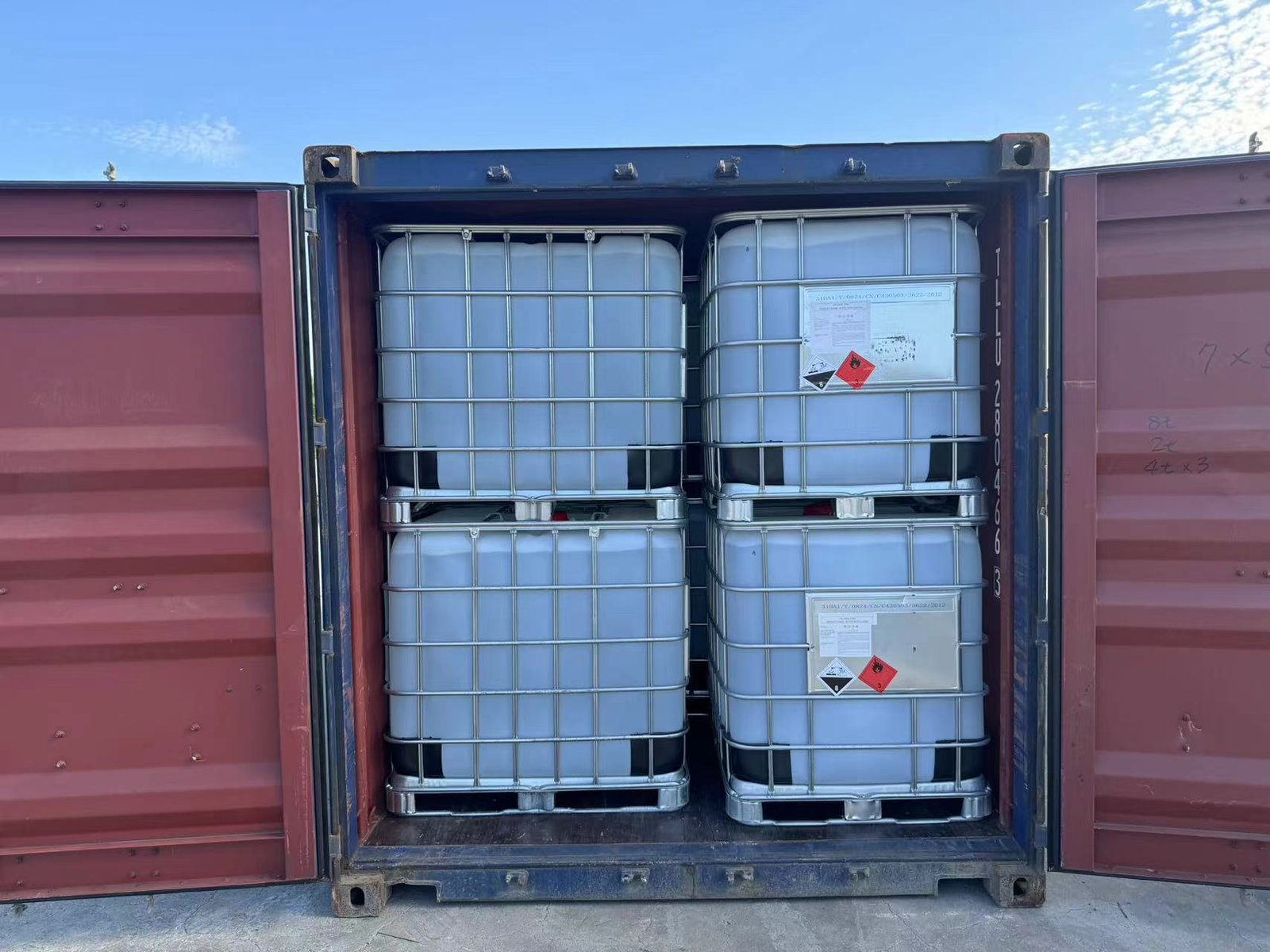
Description
Glacial Acetic Acid Product Description
Name: Glacial Acetic Acid
Grade: Industrial Grade; Food Grade
Purity: 80%, 90%, 99.8%, 99.9%
Identifiers
Identifiers
| IUPAC | Acetic acid |
|---|---|
| Synonyms | Glacial acetic acid; Glacial acetic acid; Acetic acid; Ethyl acetate; Acetic acid hydrogen; Methyl acetate |
| Molecular formula | C₂H₄O₂ ; CH₃COOH |
| Molecular weight | 60.05 g/mol |
| CAS‑No. | 64‑19‑7 |
| InChI | InChI=1S/C2H4O2/c1‑2(3)4/h1H3,(H,3,4) |
| SMILES | CC(O)=O |
| ChemSpider | 171 |
| ChEMBL | ChEMBL539 |
| ECHA InfoCard | 100.000.528 |
| EC Number | 200‑580‑7 |
| PubChem CID | 176 |
| Second University | Q40Q9N063P |
| UN Code | 2789 |
| HS Code | 2915211900 |
Physical and Chemical Properties
| Physical state | Liquid |
|---|---|
| Appearance | Colorless |
| Odor | Pungent |
| Odor threshold | No data available |
| pH | 2.4, molar mass 60.05 g/mol |
| Melting point / melting range | 16.2°C – nominal value |
| Boiling point / boiling range | 117°C – 118°C |
| Flash point | No data available |
| Evaporation rate | No data available |
| Flammability (solid, gas) | Not applicable |
| Upper flammability or explosive limit | Upper explosive limit: 19.9% (V) |
| Lower flammability or explosive limit | Lower explosive limit: 4% (V) |
| Vapor pressure | 73.3 hPa at 50.0°C 15.2 hPa at 20.0°C |
| Vapor density | No data available |
| Relative density | 1.049 g/cm³ at 25°C |
| Solubility | Fully miscible |
| Partition coefficient (n‑octanol/water) | logPow: -0.17 |
| Auto‑ignition temperature | 485.0°C |
| Decomposition temperature | No data available |
| Viscosity | No data available |
Spectroscopic Information
No data available
Safety and Hazard Information
Classification
OSHA/HCS Status This material is considered hazardous under the OSHA Hazard Communication Standard (29 CFR 1910.1200).
Classification of the substance or mixture Flammable liquids – Category 3 Skin corrosion – Category 1A Serious eye damage – Category 1
GHS Label elements
Hazard pictograms Signal word Danger
Hazard statements Flammable liquid and vapour. Causes severe skin burns and eye damage.
Precautionary statements
Prevention Keep away from heat, hot surfaces, sparks, open flames and other ignition sources. No smoking. Use explosion‑proof electrical, ventilation, lighting and all material handling equipment. Do not breathe vapour or spray. Wear protective gloves. Wear eye or face protection. Wear protective clothing.
Response IF ON SKIN (or hair): Take off immediately all contaminated clothing. Rinse skin with water or shower. IF IN EYES: Rinse cautiously with water for several minutes. Remove contact lenses, if present and easy to do. Continue rinsing. IF SWALLOWED: Rinse mouth. Do NOT induce vomiting.
Storage Not applicable.
Disposal Dispose of contents and container in accordance with all local, regional, national and international regulations.
Supplemental label elements Not applicable.
Hazards not otherwise classified Corrosive to the respiratory tract
Stability and Reactivity
Reactivity No data available.
Chemical stability Stable under recommended storage conditions.
Possibility of hazardous reactions No data available
Conditions to avoid High temperature, flames and sparks.
Incompatible materials Oxidizing agents, soluble carbonates and phosphates, hydroxides, metals, peroxides, permanganates (e.g. potassium permanganate), amines, alcohols, nitric acid
Hazardous decomposition products Hazardous decomposition products formed under fire conditions — Oxides of carbon Other decomposition products — No data available