Buying glacial acetic acid is not simply a price comparison. Industrial users need a product that matches their process, arrives with reliable documentation and can be delivered in packaging compatible with their site. This guide explains the checks procurement and technical teams should complete before placing an order.
Start with the intended application
Glacial acetic acid is commonly used in chemical synthesis, coatings, textiles, adhesives, pharmaceuticals and food-related manufacturing. The correct specification depends on the process and applicable local rules. Share the application, annual volume, destination and any critical impurity limits with the supplier before requesting a quotation.
For a general commercial specification and supply overview, see our glacial acetic acid product page.
Check the specification, not purity alone
A headline assay such as 99.8% is important, but it is only one part of product quality. Review water, formic acid, acetaldehyde, iron, evaporation residue, color and any application-specific limits. Ask for a recent certificate of analysis and confirm that the stated test methods are appropriate.
- Product name, CAS number and grade
- Assay and relevant impurity limits
- Batch-specific certificate of analysis
- Safety data sheet in the required language
- Manufacturing date, shelf-life guidance and traceability
Select suitable packaging
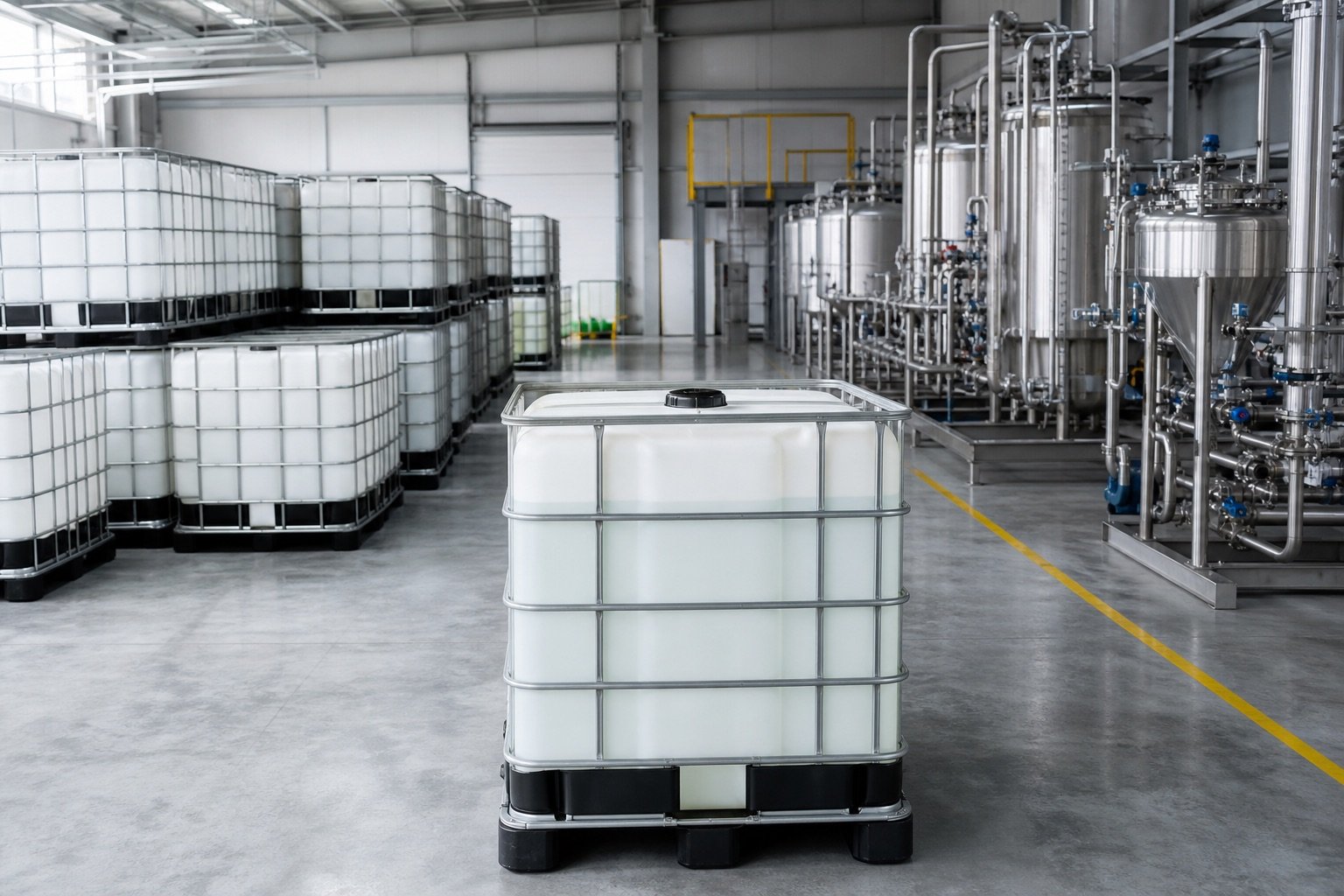
Common commercial formats include drums, IBC totes and bulk tanker supply. The best choice depends on consumption rate, storage capacity, unloading equipment and transport rules. Packaging must be chemically compatible, correctly sealed and marked according to the destination requirements. Buyers should also confirm net weight, pallet configuration and container-loading quantity before comparing landed costs.
Compare total landed value
The lowest ex-works price may not produce the lowest delivered cost. Freight, dangerous-goods handling, insurance, port charges, packaging recovery, lead time and payment terms all affect the final result. A dependable supplier should provide a clear quotation basis and communicate promptly when schedules change.
Qualify the supplier
Request company and quality documents relevant to your market. Evaluate how the supplier handles batch consistency, complaints, sample approval and shipment tracking. A useful supplier should be able to explain the specification rather than merely send a price list.
- Approve the technical specification and sample where necessary.
- Confirm packaging, Incoterm, destination and delivery window.
- Review COA, SDS and shipping documentation requirements.
- Agree on inspection, claims and change-notification procedures.
Frequently asked questions
What information is needed for a quotation?
Provide grade, required quantity, packaging, destination port or address, desired Incoterm and delivery timing. Include any special impurity limits or documentation needs.
Should every shipment include a COA?
Yes. A batch-specific certificate of analysis supports incoming inspection and traceability. Buyers should compare the COA with their approved specification.
Can buyers request a sample?
Sample availability depends on destination and dangerous-goods shipping restrictions, but technical sample approval can be valuable for sensitive applications.
To discuss specifications and current supply options, contact Qingdao Hiacid Chemical.