Formic acid is a versatile organic acid used as a processing chemical, pH-control agent and synthesis building block. Its concentration and impurity profile should be matched to the process, equipment and applicable regulations.
Leather processing
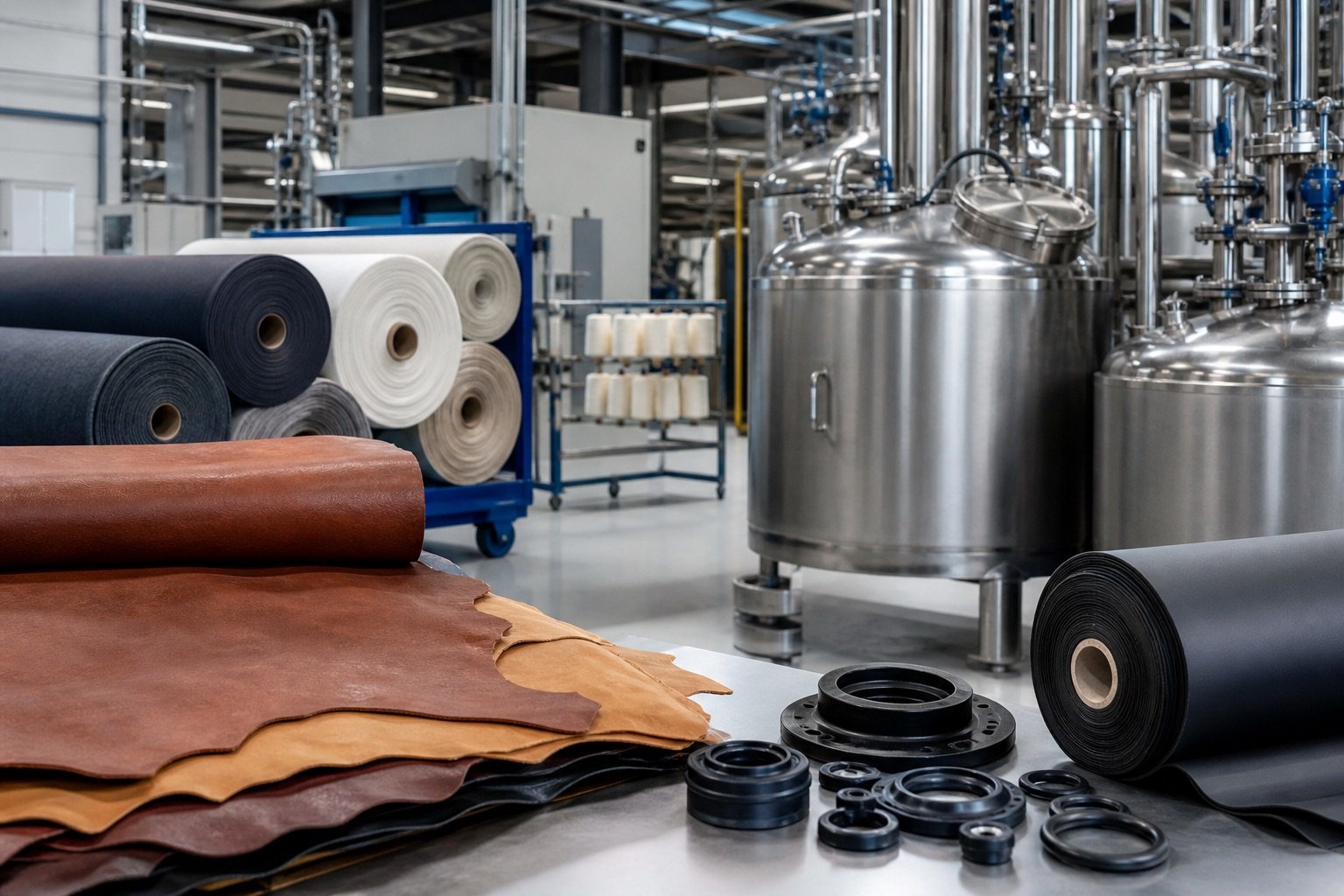
Formic acid is used in leather production for pH adjustment and tanning-related operations. Controlled addition can support consistent processing, but site procedures must address corrosivity, ventilation and compatibility.
Textile dyeing and finishing
Textile operations may use formic acid to adjust pH, support dyeing steps and improve process control. Required grade depends on fabric, dyes and quality expectations.
Rubber and latex
In rubber-related processing, formic acid can be used in coagulation and other production steps. The right concentration and dosing method should be confirmed through process trials and engineering controls.
Agriculture, cleaning and synthesis
Applications also include silage preservation, descaling, cleaning and chemical intermediates where permitted and appropriately formulated. Product suitability must be assessed for each use; industrial formic acid should not be assumed suitable for regulated food or pharmaceutical applications.
Frequently asked questions
Can one grade serve all industries?
No. Impurity, concentration, documentation and regulatory requirements vary by application.
What should be shared with a supplier?
Provide the intended use, required grade, annual volume, packaging, destination and relevant compliance needs.
For supply options, visit our formic acid page. For storage planning, read our formic acid safety guide.