Industrial sulfuric acid procurement begins with the process requirement, not a headline price. Concentration, impurity limits, packaging compatibility, transport classification, documentation and unloading capability all affect whether an offer is technically usable. This sulfuric acid buying guide gives purchasing and engineering teams a structured way to compare quotations and reduce qualification risk.
Define the application and required concentration
Sulfuric acid is H2SO4, CAS 7664-93-9. Commercial requirements can range from diluted solutions to concentrated industrial acid. State the required concentration as a tested acceptance range and identify how it will be used. The right specification for pH adjustment may differ from one used in mineral processing, petroleum refining or a synthesis step.
Write a purchase specification
List concentration, appearance, density where relevant, and every impurity that can affect the process. Include test methods, reporting units and acceptance limits. Ask whether results on the certificate of analysis are actual batch tests or typical values.
Evaluate COA consistency and traceability
Review several recent certificates of analysis rather than one ideal example. Results should remain within the agreed limits with a practical margin. Confirm how batches, samples and containers are identified and how retained samples are managed. If your process is sensitive, qualify a traceable sample under representative conditions before committing to a large order.
Check the documents before approval
A supplier package normally includes the agreed specification, current safety data sheet, batch COA format, packaging details and transport information. Destination-specific labels, certificates or import documents should be discussed before the purchase order is issued.
Select compatible packaging and delivery terms
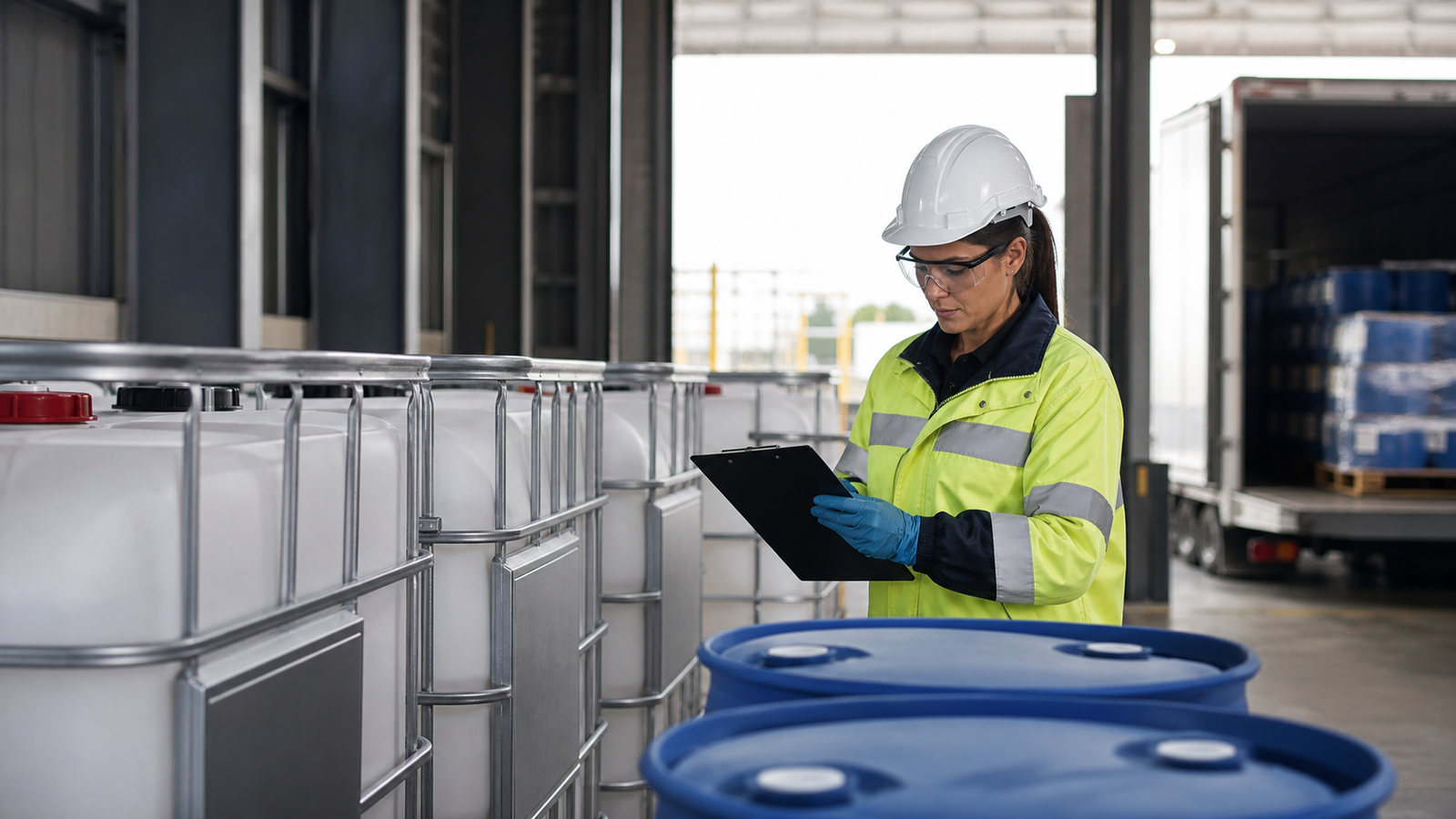
The package must be compatible with the supplied concentration and with the full logistics route. Confirm container material, closures, venting requirements, net weight, palletization, secondary protection and unloading method. Packaging that is suitable for one acid concentration or transport mode should not be assumed suitable for another.
Compare landed cost, not only unit price
Compare the same concentration, net quantity, Incoterm, packaging and delivery window. Freight, dangerous-goods handling, port charges, container detention, storage constraints and concentration differences can outweigh a small unit-price advantage.
Build a clear request for quotation
Provide annual and shipment quantity, destination port, concentration, impurity limits, packaging, delivery schedule and required documents. Review the current sulfuric acid product page and send the completed requirement through the Hiacid contact page. A complete RFQ produces a faster and more comparable response.
Related sulfuric acid resources
- Sulfuric Acid Concentrations and Grades: How to Read a Specification
- Sulfuric Acid Uses: Fertilizers, Metals, Refining and Water Treatment
- Sulfuric Acid Storage and Handling: Industrial Safety Essentials
Frequently asked questions
What information should a sulfuric acid RFQ include?
Include concentration, specification limits, quantity, packaging, destination, Incoterm, delivery schedule and required documents.
Should buyers review more than one COA?
Yes. Several recent COAs show batch consistency and whether results remain comfortably inside the agreed specification.
Can packaging be selected by concentration alone?
No. Packaging must also fit material compatibility, transport rules, filling method, unloading equipment and the complete supply route.
How do I request a quotation?
Send the application, concentration, quantity, packaging and destination through the Hiacid contact page.