Potassium phosphite production commonly begins with controlled neutralization of phosphorous acid using a suitable potassium base. The commercial result depends on much more than reaching a target pH. Raw-material assay, water content, ionic impurities, temperature, addition rate, mixing and the selected potassium-to-phosphorous-acid ratio all influence composition, clarity and batch consistency. Because potassium phosphite products can be sold into regulated or specification-sensitive markets, the producer must define the intended salt composition and permitted claims before choosing raw materials. Procurement, formulation and quality teams should work from one mass balance and one approved phosphorous acid specification.
Define the target potassium phosphite composition
Phosphorous acid has more than one neutralizable acidic hydrogen, so different neutralization ratios can produce different potassium phosphite species or mixtures. The manufacturing record should state the intended molar ratio, concentration, final pH range and analytical release criteria. A generic instruction to “neutralize phosphorous acid” is not enough for repeatable production. Confirm whether the finished material is a solution, a concentrated blend or a component of a larger formulation, and define how its active content will be reported.
Keep chemistry names and claims accurate
Phosphite and phosphate are not interchangeable. Potassium phosphite should not be presented as ordinary phosphate fertilizer solely because both contain phosphorus. Product identity, agricultural claims, labels and registrations depend on the destination and use. Technical and regulatory teams should approve the wording before commercial production, while the batch documents should retain the actual chemical identity and raw-material traceability.
Build the neutralization mass balance
Calculate phosphorous acid demand from the supplier assay basis, not the gross delivered mass. Include water in the acid, water in the potassium base, planned process water and any recycled solution. The same nominal tonne of material can deliver a different active amount if assay or physical form changes. Record molecular-basis calculations, scale calibration and permitted adjustment rules so operators do not correct a formulation by guesswork.
Control heat and addition rate
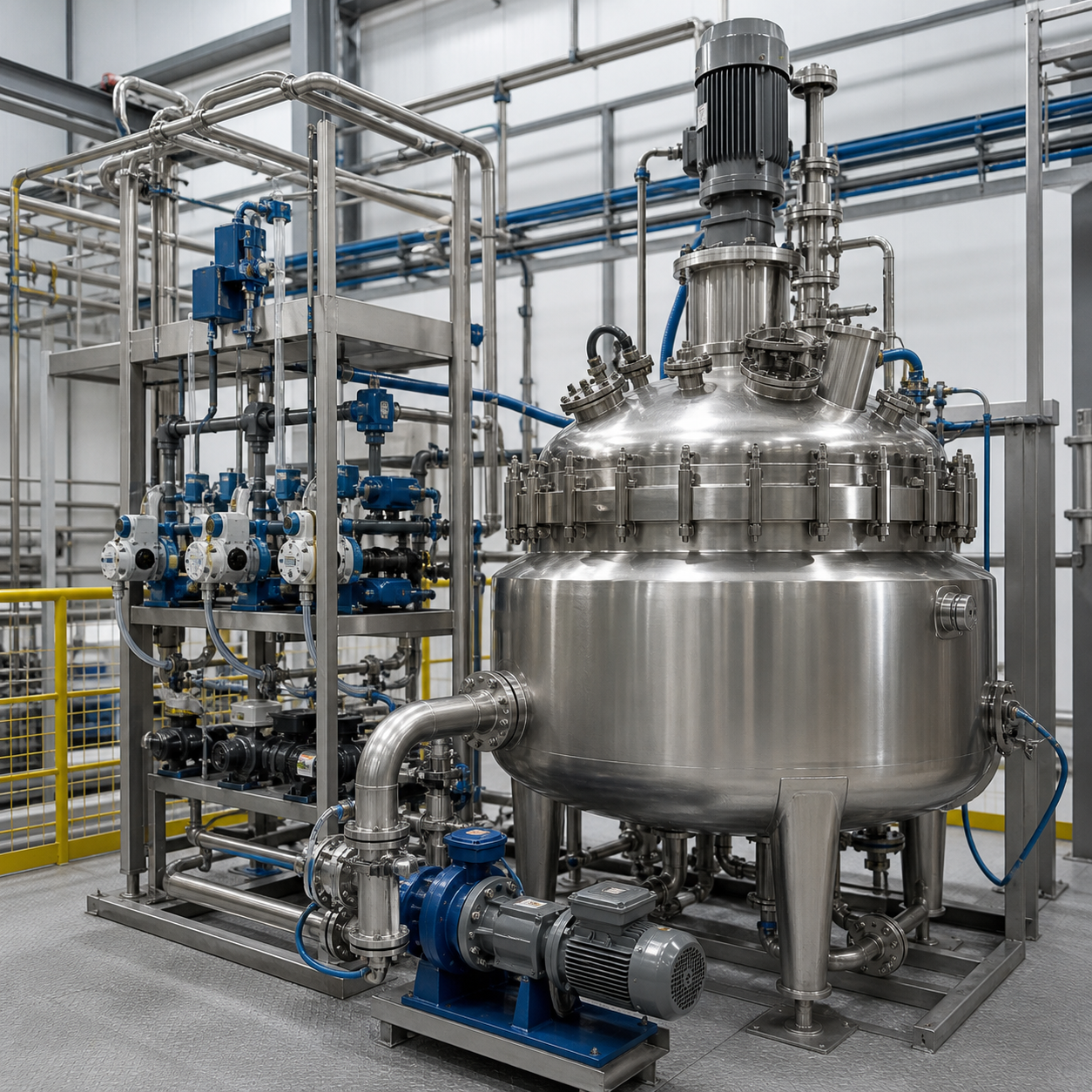
Neutralization releases heat. Define vessel cooling capacity, agitation, base-addition rate, temperature alarms and hold points before scale-up. Local high pH can occur when concentrated base enters a poorly mixed zone, while rapid acid addition can create another nonuniform condition. Pilot work should establish a safe addition sequence that protects equipment and gives a consistent composition without excessive dilution.
Set raw-material impurity limits
Potential controls include phosphorous acid assay, phosphoric acid, chloride, sulfate, iron, heavy metals, insoluble matter and color. The useful limits depend on the final formulation and regulatory market. Iron or insoluble residue may affect color and filtration, while ionic impurities can change a customer specification. Set each limit from product risk and process evidence instead of copying an unnecessarily tight laboratory-reagent specification.
Use actual COA results and retained samples
Require a lot-specific certificate of analysis with method, unit and reporting basis. “Pass” alone provides little information for trend control. Keep representative retained samples of both phosphorous acid and finished potassium phosphite, then compare several incoming lots during qualification. A trend in color, impurity or assay can be investigated before it becomes a customer complaint.
Verify finished-product quality
Release testing may include appearance, density, pH, potassium, phosphite-related active content, phosphate, chloride, metals and microbiological or stability checks where relevant. The method must distinguish what the commercial specification actually promises. Validate sampling after adequate circulation, because an incompletely mixed tank can produce misleading laboratory results. Confirm storage stability across the intended temperature range and package.
Plan filtration and packaging
If the product is filtered, define filter rating, differential-pressure endpoint and compatibility with the solution. Packaging materials, closures and headspace should be tested for the actual concentration and storage duration. Lot coding must connect every drum, IBC or tanker compartment to the production record and incoming phosphorous acid lot.
Qualify the phosphorous acid supply
The PubChem phosphorous acid record identifies phosphorous acid as a phosphorus oxoacid and lists it as an industrial intermediate. Buyers still need the current supplier SDS, agreed specification and application trial. Review the Hiacid phosphorous acid supply page and the existing buying guide.
Send a production-focused RFQ
State assay basis, controlled impurities, annual consumption, shipment size, package, destination, COA requirements and trial quantity. Include the intended potassium phosphite concentration and any critical color or filtration requirement without disclosing confidential formulation details. Compare offers on usable active material, batch consistency, packaging performance and delivery reliability, then request a specification-based quotation.
Related phosphorous acid resources
- Phosphorous Acid as a Water Treatment Chemical Intermediate
- Phosphorous Acid for Organophosphorus Synthesis
- Phosphorous Acid Buying Guide
Frequently asked questions
Is potassium phosphite the same as potassium phosphate?
No. Phosphite and phosphate have different oxidation states, chemistry and permitted uses, so names and claims must remain precise.
Why does the phosphorous acid assay basis matter?
It determines the active amount used in the neutralization mass balance and affects water balance, yield and finished concentration.
Which impurities should a producer control?
Common candidates include phosphoric acid, chloride, sulfate, iron, heavy metals, insoluble matter and color, selected according to the finished product.
Should pH be the only neutralization endpoint?
No. pH should be combined with controlled mass balance, temperature, mixing and finished-product analytical tests.