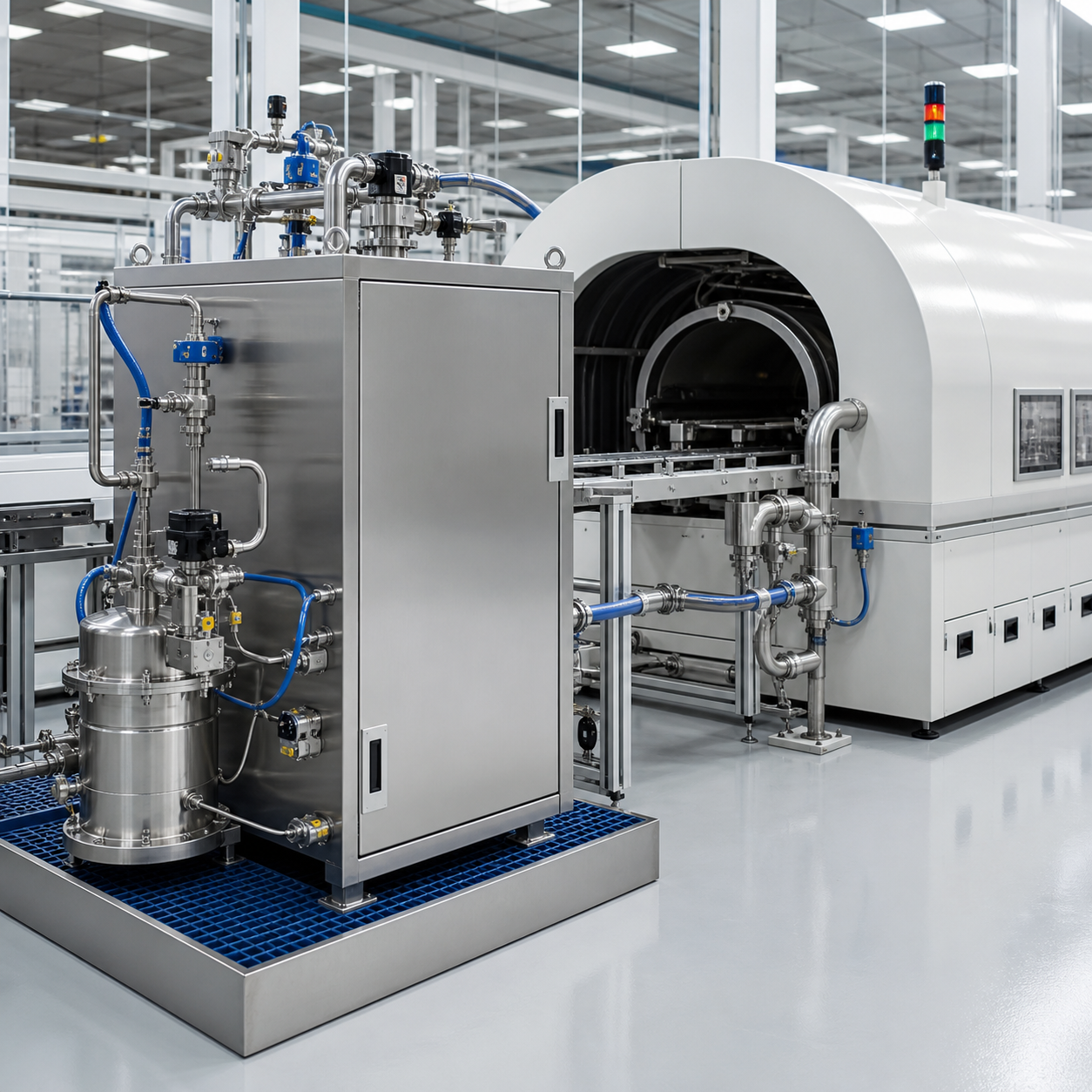
Formic acid vapor is used in selected controlled-atmosphere soldering and semiconductor packaging processes to reduce surface oxides before or during reflow. The commercial objective is cleaner wetting without a conventional organic flux residue, but performance depends on the complete process: solder metallurgy, oxide condition, chamber pressure, temperature profile, vapor concentration, carrier gas, exhaust and post-process cleanliness. A drum of formic acid is not a ready-made reflow program. Equipment suppliers and process engineers must establish qualified recipes and safety controls. Procurement supports that work by specifying consistent concentration, water and catalyst-sensitive impurities, then preserving lot identity from receiving through the vapor generator. Changes in acid grade, container, transfer hose or storage time should be reviewed because a stable laboratory recipe can drift when the delivery system changes. Release criteria should connect the incoming COA to a chamber blank, representative solder coupon and documented process window. This three-part check helps distinguish a chemical-lot issue from equipment drift or a changed surface finish before valuable assemblies enter production.
Define the soldering objective and surfaces
Document substrate finish, solder alloy, bump or preform geometry, native oxide, package mass and the acceptable limits for voiding, wetting and residue. Fluxless reflow for a power module is not identical to wafer-level bump reflow. Establish baseline results with the approved materials and a control lot before comparing acid grades or suppliers.
Qualify the full thermal and atmosphere profile
Record chamber pressure, nitrogen purity, formic acid delivery rate, surface temperature, dwell, vacuum stages and cooling. Oxide reduction must occur at the intended interface without creating uncontrolled condensation. Use designed vapor equipment and interlocks; never improvise open heating or manual acid dosing.
Connect acid quality to process risk
Specify assay, water, nonvolatile residue, color and relevant metals or halides based on process trials. High assay alone does not prove electronic-process suitability. Compare several lots through incoming analysis and soldering results, and retain samples so voiding or contamination can be investigated against the exact material used.
Protect the vapor generator from contamination
Use compatible, dedicated transfer components and prevent solder-process exhaust or chamber condensate from returning to storage. Validate filters, seals and wetted materials. Track container opening date and storage conditions because water uptake or foreign residue can alter vapor delivery and maintenance behavior.
Engineer chamber and exhaust controls
Formic acid can attack unsuitable materials, particularly where liquid condenses. Review chamber alloys, heated lines, seals, traps, drains and scrubber design with the equipment manufacturer. Residual vapor must be captured or treated under the approved environmental and occupational plan.
Use evidence without copying a recipe
An IPC technical paper discusses oxide control in die attach and notes formic acid vapor as an established cleaning approach. It is useful context, not a universal concentration or temperature instruction. The qualified equipment recipe and product-specific validation take priority.
Control worker exposure and emergencies
NIOSH lists formic acid as corrosive and provides occupational exposure and emergency information. Use closed transfer, local exhaust, leak detection where appropriate, compatible PPE, eyewash, shower and documented response. Review the current SDS and site hazard analysis before commissioning or maintenance.
Plan maintenance as part of process capability
Inspect vapor lines, injectors, chamber surfaces, seals and abatement equipment on a defined schedule. Trend residue, corrosion, alarms and solder quality. A gradual delivery restriction can look like a raw-material problem, so maintenance data should be reviewed with COA and process records.
Prepare an electronics-grade supply RFQ
State concentration, water, residue, metals, halides, methods, lot size, package, clean-transfer expectations, COA, SDS and change notification. Explain whether material will feed a vapor generator so the supplier understands critical controls.
Connect specification to documented supply
Review the Hiacid formic acid supply page and product record. Share annual demand, destination and required documents when you request a quotation.
Related formic acid resources
- Formic Acid for Semiconductor Copper Oxide Removal
- Formic Acid for Calcium Formate Cement Additive Production
- Formic Acid Quality for LC-MS Mobile Phase Preparation
Frequently asked questions
Does formic acid eliminate every soldering flux requirement?
No. Suitability depends on the solder, oxide, package and qualified reflow equipment and recipe.
Can formic acid be heated in an open vessel for reflow?
No. Vapor delivery requires purpose-designed closed equipment, ventilation, controls and a formal safety review.
Which impurities should electronics buyers control?
Control only process-relevant water, residue, metals, halides and other impurities supported by testing.
Why retain each incoming lot sample?
It supports investigation if wetting, voiding, residue or vapor-delivery performance changes.