Glacial acetic acid can crystallize during ordinary cool-weather logistics because its melting point is about 16.6 to 16.7 degrees Celsius. Crystallization does not automatically mean the product is contaminated or off specification, but it can delay unloading, strain containers and produce an unrepresentative sample if liquid and crystals are not fully homogenized. Winter readiness should be agreed before dispatch, including package condition, approved warming method, temperature monitoring and receiving capacity. This guide covers safe operational planning for trained industrial sites; the current SDS, container supplier instructions and site engineering review take priority.
For B2B qualification, assign purchasing, quality, engineering, production, logistics and EHS ownership before the first delivery. Approve the specification, analytical methods, sampling point, retained-sample period, storage conditions, transfer equipment, deviation response and release authority in writing. Compare several representative lots under controlled operating conditions and record process performance, mass balance, waste, equipment observations and final quality. This approach helps separate raw-material variation from water, equipment, operator or analytical changes. Review the complete chain from supplier release through carrier, package, receiving connection and day tank because contamination or misidentification can occur after final analysis. Reconcile ordered, received, stored and consumed quantities and investigate unexplained differences. Supplier scorecards should include documentation accuracy, delivery condition, corrective-action quality and change notification as well as price. Qualify an alternate source before a disruption, using the same methods and process criteria. When buyer and supplier results differ, review sample representativeness, temperature, calibration, detection limits and uncertainty before deciding disposition. Confirm emergency contacts, unloading hours, holiday coverage and stop-work authority for every shipment. Include maintenance and warehouse teams in post-trial review because they often identify seal, vent, hose or handling issues not visible in a certificate of analysis. Close qualification with an authorized report, updated specification, approved supplier status and a defined routine-monitoring plan.
Understand why glacial acid freezes
High-purity acetic acid has a relatively high freezing point, so a container may become partly or fully crystalline in transit. Ambient temperature, exposure duration, package size and insulation influence the condition on arrival.
Do not diagnose quality by appearance alone
Partial crystals can coexist with liquid. Obtain a representative sample only after the approved warming and mixing procedure is complete. Compare assay, water and critical impurities with the agreed specification.
Approve a controlled warming method
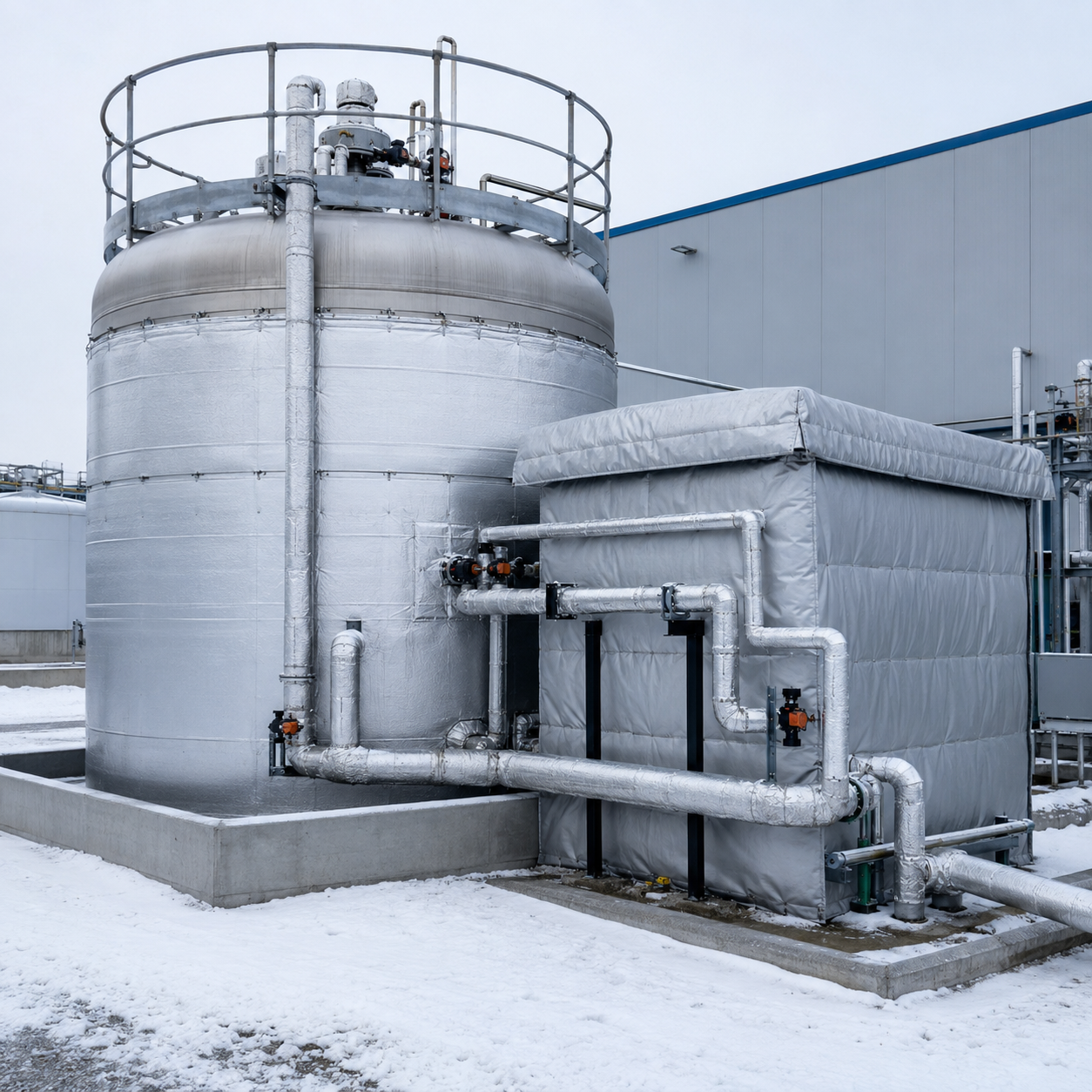
Use an engineered method compatible with the package and chemical. Control surface and product temperature, heating rate, ventilation and access. Never improvise with flame, uncontrolled hot spots or incompatible immersion equipment.
Confirm container pressure and venting
Review closures, vents, expansion space and any gas or vapor control before warming. Personnel should not loosen or manipulate a stressed container outside the approved procedure.
Homogenize before transfer and sampling
A uniform liquid state and appropriate mixing are necessary before release testing or unloading. Record temperatures at defined points and confirm that crystals are absent without exposing workers to vapor or splashes.
Use authoritative property data
The OSHA acetic acid chemical data page reports a freezing or melting point near 62 degrees Fahrenheit and identifies glacial acetic acid as the pure compound. Site-specific SDS and package instructions govern handling.
Design winter delivery controls
Share forecast, destination temperatures, receiving hours and warming capability with the supplier. Decide in writing who owns delay, heating and inspection actions for tankers, IBCs or drums.
Protect inventory rotation and emergency response
Track lot age and location, keep access to vents and emergency equipment, and separate incompatible materials. Update spill and exposure plans for icy surfaces, bulky protective clothing and reduced winter visibility.
Investigate recurring crystallization delays
Review concentration, transport route, insulation, dwell time and receiving schedule. A logistics change may be more effective than repeatedly warming every load. Document corrective actions and verify the next deliveries.
Prepare a winter-ready inquiry
Provide required grade, package, route, seasonal temperature, unloading window and warming limitations. Review the Hiacid glacial acetic acid product page, then request a winter logistics proposal.
Related glacial acetic acid resources
- Glacial Acetic Acid for Peracetic Acid Production
- Glacial Acetic Acid for Leather Tanning and Deliming
- High-Purity Glacial Acetic Acid for Semiconductor Wet Processing
Frequently asked questions
Does crystallization prove the acid is off specification?
No. High-purity acetic acid can crystallize near 16.7 degrees Celsius, but release still requires representative testing.
Can crystallized drums be heated with an open flame?
No. Use only an engineered, approved and compatible warming method.
When should the product be sampled?
After controlled warming and homogenization, using the approved safe sampling procedure.
What should be agreed before winter delivery?
Define package, insulation, temperature records, receiving hours, warming capability and delay responsibilities.