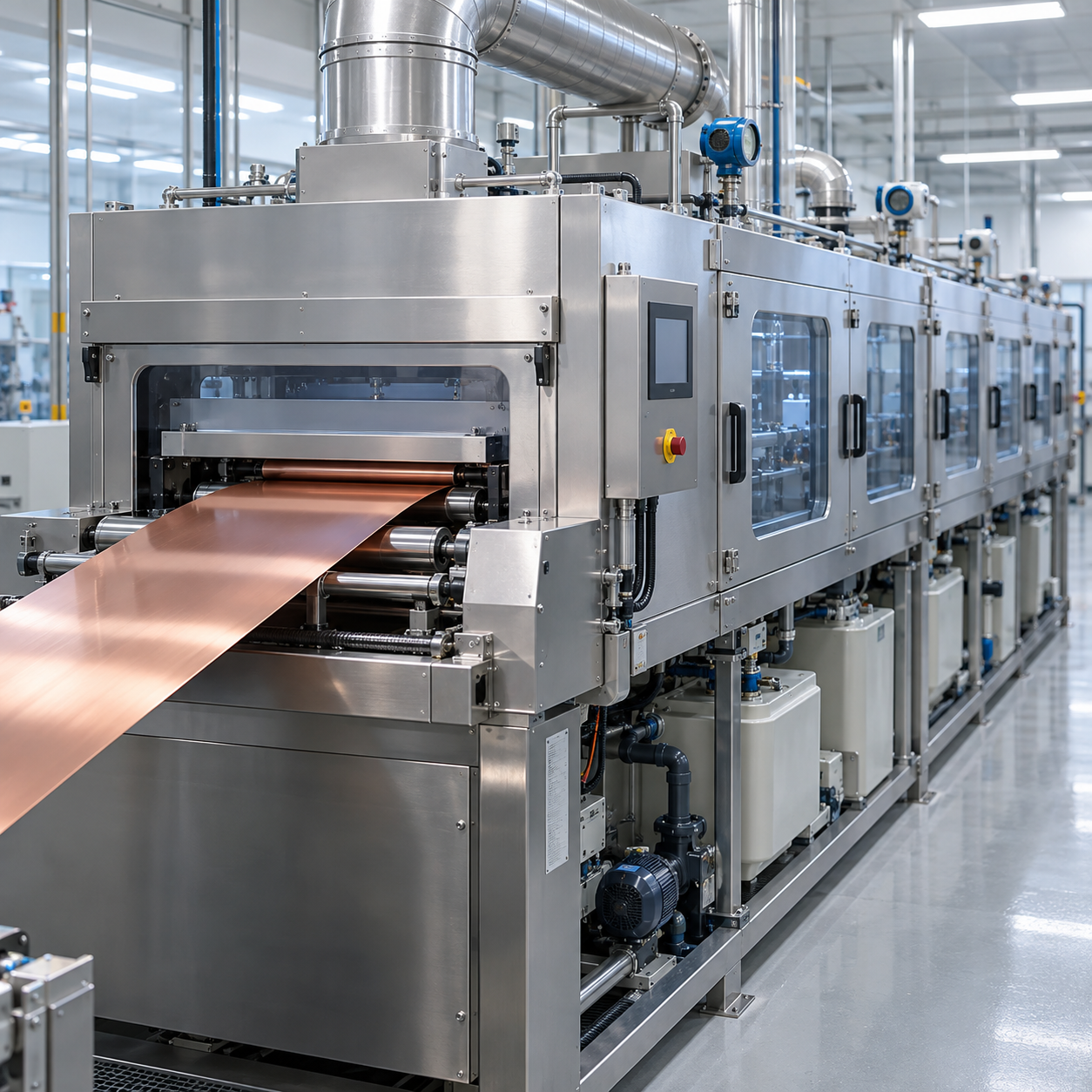
Nitric acid can be used in selected industrial copper etching and surface-preparation systems because it oxidizes copper and supports controlled metal removal. The same chemistry can generate heat and nitrogen oxides, so the process belongs in enclosed, ventilated equipment with trained operators and approved waste treatment. Acid concentration is only one variable: dissolved copper, temperature, contamination, agitation, exposure time, rinse quality and substrate condition all influence the surface. This guide helps B2B teams structure material qualification and process control without providing a bath recipe. Actual formulations and limits must come from validated engineering, customer requirements and the facility’s hazard and environmental controls.
For dependable B2B implementation, assign purchasing, quality, engineering, operations and EHS responsibilities before the first shipment. Approve the receiving method, sample point, test frequency, storage system, transfer equipment, deviation process and retained-sample period in writing. Compare several representative supplier lots under controlled conditions and record product quality, process response, waste load and equipment observations. This evidence helps separate raw-material variation from operating or analytical changes. Review packaging, transport, seal integrity and unloading records together with laboratory results because contamination can occur after the supplier’s final test. Define who may release a lot, what requires quarantine, what evidence resolves a dispute and which supplier changes trigger requalification. Include current SDS and COA review, emergency contacts, complaint response and delivery continuity in the same approval plan. Close qualification with an authorized report, a controlled specification and assigned follow-up actions.
Define the surface objective first
State whether the operation removes oxide, textures a surface, prepares copper for bonding or strips a defined layer. Set measurable requirements for removal rate, roughness, appearance, dimensional tolerance, adhesion and cleanliness. A visual “bright” result is not enough for a controlled production release.
Qualify representative copper materials
Test the alloys, temper, incoming oxide condition and geometry actually used in production. A reference on nitric acid etching of copper alloys shows that the chemistry has long been studied, but historical literature does not replace a modern site-specific process qualification.
Specify nitric acid and bath inputs
Define acid concentration and limits for chloride, metals, residue and other contaminants that can affect corrosion or finish. Require lot-specific COA data and verify receiving concentration using the approved method. Control dilution water and any approved additives as separate raw materials.
Track the working bath rather than only fresh acid
Dissolved copper and byproducts accumulate during use. Establish analytical or performance-based limits for the working solution, replenishment and discard. Incoming acid consistency cannot correct an exhausted or contaminated bath.
Control removal rate and uniformity
Use qualified process windows for temperature, exposure, solution movement and loading. Monitor coupons or test pieces where appropriate. Dense racks, trapped gas or inconsistent part orientation can cause nonuniform results even when solution analysis is acceptable.
Connect bath data to finished-part quality
Trend acid lot, bath age, copper loading and operating data against roughness, thickness loss, staining and adhesion. This enables structured root-cause analysis and avoids blaming every surface defect on the newest delivery.
Engineer ventilation and emissions treatment
Nitrogen oxides and acid mist require capture at the source and treatment in a validated system. Keep lids, exhaust, scrubber and alarms within the preventive-maintenance program. Process changes that increase load require engineering and permit review.
Separate nitric acid from incompatible materials
Use compatible storage, dedicated transfer equipment and secondary containment. Keep organics, reducing agents and incompatible metals away according to the SDS and hazard assessment. The NIOSH entry provides general hazard context for trained teams.
Plan rinsing and waste management
Rinse stages must prevent acid carryover and staining while controlling water use. Characterize copper-bearing acidic liquids and treatment residues under local rules. Recovered copper, spent solution and scrubber liquor belong in the full material balance.
Request a specification-based quotation
Provide acid strength, impurity limits, test methods, package size, monthly consumption and destination. Review the Hiacid nitric acid product page, then ask for COA, SDS and commercial terms matched to the approved process.
Related nitric acid resources
- Nitric Acid Concentration Verification by Density and Titration
- Bulk Nitric Acid Unloading Checklist for Industrial Sites
- Nitric Acid in Nitrophosphate Fertilizer Production
Frequently asked questions
Does fresh nitric acid concentration determine etch rate by itself?
No. Temperature, dissolved copper, solution movement, surface condition and loading also influence performance.
Can operators judge the bath only by color?
No. Color may indicate dissolved species, but release and replenishment decisions need validated measurements or performance controls.
Why is local exhaust essential?
Copper dissolution can generate hazardous nitrogen oxides and acid mist that must be captured and treated.
What supplier changes should trigger review?
Changes in acid concentration, manufacturing site, analytical method, package, carrier or critical impurity profile should be assessed.