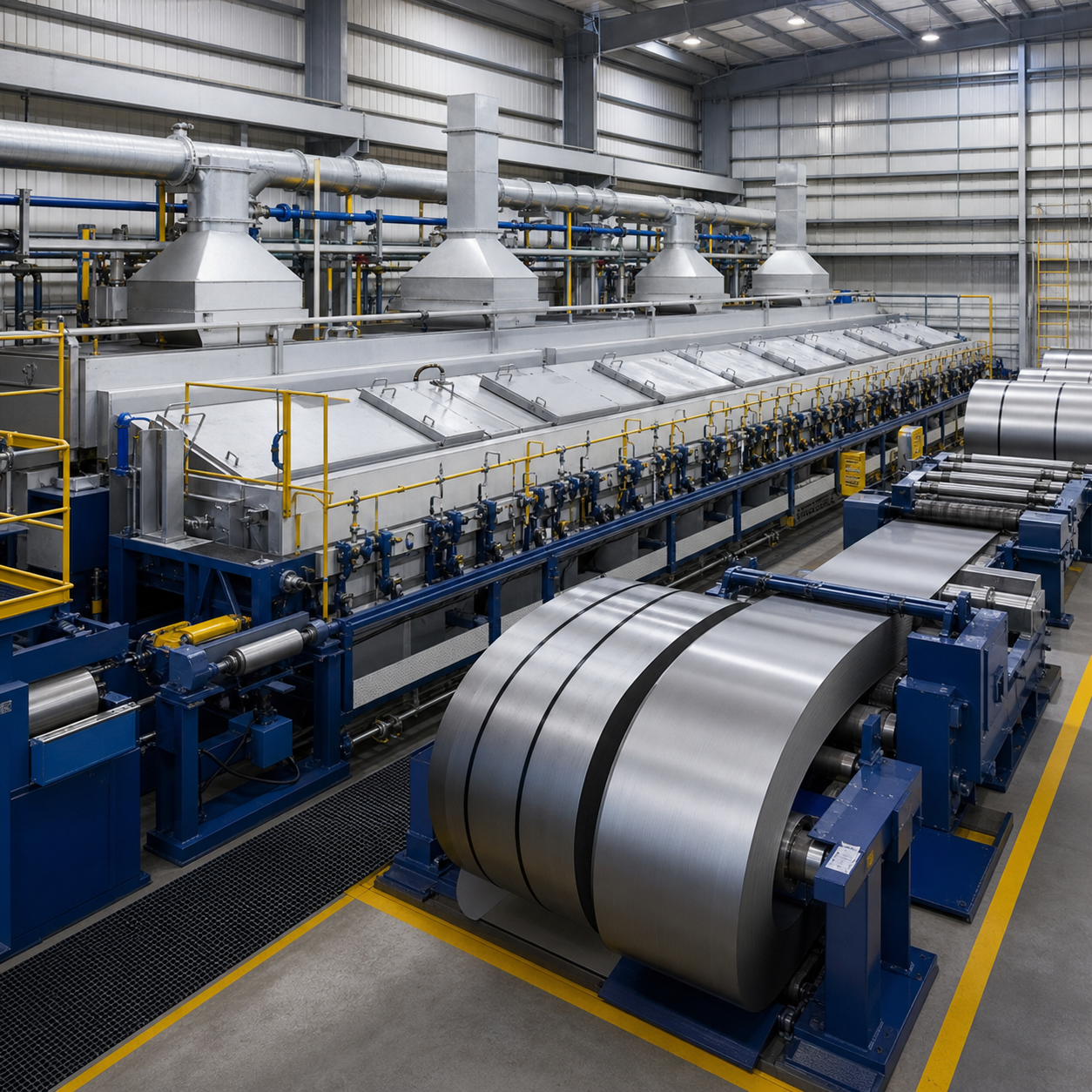
Sulfuric acid is used in selected steel pickling and metal-cleaning operations to remove oxide scale before rolling, coating, plating or fabrication. Performance depends on steel grade, oxide condition, acid concentration, temperature, contact time, agitation, dissolved iron and the complete inhibitor system. A bath that removes scale rapidly can still be unacceptable if it causes base-metal loss, hydrogen-related risk, residue or poor coating adhesion. Metal processors therefore need representative trials, controlled bath chemistry and a sulfuric acid specification linked to the actual line.
Match the bath to the scale and substrate
Characterize mill scale, rust, oil, welding oxides and other soils before selecting the process window. Hot-rolled carbon steel, alloy steel and mixed assemblies can respond differently. Establish acceptable scale removal, material loss, surface roughness and downstream performance on representative coupons or production samples. Do not transfer a recipe from one alloy or product geometry without approval.
Separate cleaning from pickling
Oil and shop soil can block acid contact and contaminate the bath. Where necessary, validate a separate degreasing stage and rinse. The pickling step should have a defined purpose and endpoint rather than compensating for inadequate pretreatment. Track carryover because alkaline cleaner or rinse water can change acid balance and create localized process variation.
Control temperature and concentration
Sulfuric acid pickling rate increases with temperature and acid activity, but higher severity can also increase base-metal attack and mist. Define the operating window, heating capacity, circulation and alarm limits. Concentration measurement should account for dissolved iron and other bath components; a simple titration may need a validated interpretation for an aged bath.
Track dissolved iron and bath age
As scale dissolves, iron salts accumulate and change density, viscosity and pickling behavior. Establish analytical or operational endpoints for bath adjustment, regeneration or disposal. Do not extend the bath only because free acid remains measurable. Trend iron loading, cycle time, surface quality and sludge to identify the point where performance or downstream rinsing deteriorates.
Use inhibitors as controlled ingredients
Corrosion inhibitors may reduce base-metal attack under validated conditions, but performance is specific to concentration, temperature, steel grade and bath contamination. Approve the complete formulation and dosing range. A substitute inhibitor or uncontrolled overfeed can change surface condition, foam, wastewater and later coating adhesion.
Validate rinsing and surface release
Define rinse stages, water quality, overflow, conductivity or pH checks and drying. Residual acid or iron salt can cause flash rust, staining and coating failures. Evaluate the final surface using the method that predicts the next process, such as cleanliness, adhesion, phosphate coating weight or plating quality.
Integrate mist and wastewater controls
Closed or covered tanks, local exhaust, controlled transfer and minimized splashing can reduce acid mist. The NIOSH guide identifies inhalation, skin and eye exposure routes and immediate corrosive hazards. Select engineering controls, PPE and emergency facilities through the site risk assessment.
Treat spent bath as a process stream
Spent acid, rinse water and sludge contain iron and other metals from the workpiece. Characterize representative waste and define neutralization, metal precipitation, sludge handling, recovery and discharge monitoring. Production increases or alloy changes can alter wastewater loading even when fresh-acid consumption is unchanged.
Specify and source sulfuric acid
Potential purchase controls include concentration, density, iron, chloride, nitrate, heavy metals, insoluble matter and color. Choose only limits that protect the bath and downstream product. Review the PubChem sulfuric acid record, which lists iron and steel production and metal cleaning among its uses.
Prepare a pickling RFQ
State concentration, controlled impurities, consumption, delivery mode, destination and documentation. Describe the steel grade, bath temperature and critical downstream step without revealing unnecessary proprietary details. Compare the Hiacid sulfuric acid page, the handling guide and send the RFQ.
Related sulfuric acid resources
- Sulfuric Acid for Lead-Acid Battery Manufacturing
- Sulfuric Acid for Phosphate Fertilizer Production
- Sulfuric Acid Concentrations and Grades
Frequently asked questions
Can sulfuric acid pickle every metal?
No. Suitability and conditions depend on the alloy, oxide, geometry, inhibitor and downstream requirements.
Why does dissolved iron matter?
Iron loading changes bath properties, pickling behavior, rinsing and the point at which adjustment or replacement is needed.
Is free acid the only bath-control test?
No. Iron loading, temperature, cycle time, surface quality, contamination and sludge may also control bath life.
What should be checked after pickling?
Verify scale removal, substrate condition, rinse residue, flash-rust risk and suitability for the next coating or fabrication step.