Industrial hydrogen peroxide purchasing begins with the application, not with the highest concentration on a price list. Concentration changes active oxygen delivery, freight efficiency, transport classification, storage design and process risk. Stabilizers and trace impurities can also affect decomposition, color, residue and downstream product quality. Buyers should define an assay basis, application-sensitive impurity limits, packaging or bulk-delivery requirements, storage temperature, annual volume and receiving tests before comparing quotations. A well-written specification protects both process performance and supply continuity without demanding unnecessary laboratory-reagent purity.
Select concentration for the process
Common commercial solutions cover several concentration ranges, but availability and transport requirements vary by market. Calculate consumption on an active H2O2 basis and include the water introduced with the solution. A stronger product can reduce freight and storage volume, yet it may require more demanding equipment, training and regulatory controls. Evaluate total delivered and operating cost rather than price per tonne of solution.
Confirm the reporting basis
Require concentration by an agreed analytical method and reporting unit. Density can support receiving control but changes with concentration and temperature, so use a validated reference. Define sampling, temperature correction and instrument calibration. A supplier COA and the buyer’s receiving test should use compatible bases to prevent apparent discrepancies.
Understand stabilizers and impurities
Hydrogen peroxide is commonly stabilized to protect shelf life and handling performance. The stabilizer system may be suitable for one use and problematic for another, such as high-purity electronics, food processing, textile bleaching or wastewater oxidation. Ask the supplier to confirm the grade’s intended application and relevant stabilizer information without requiring disclosure of proprietary formulation details.
Set evidence-based impurity limits
Potential controls include acidity, residue after evaporation, iron, copper, heavy metals, chloride, phosphate, nitrate or organic carbon. Metal contamination can accelerate decomposition, while residue may affect sensitive surfaces. Select limits from process trials and finished-product requirements rather than applying every possible test to an industrial grade.
Qualify packaging and delivery
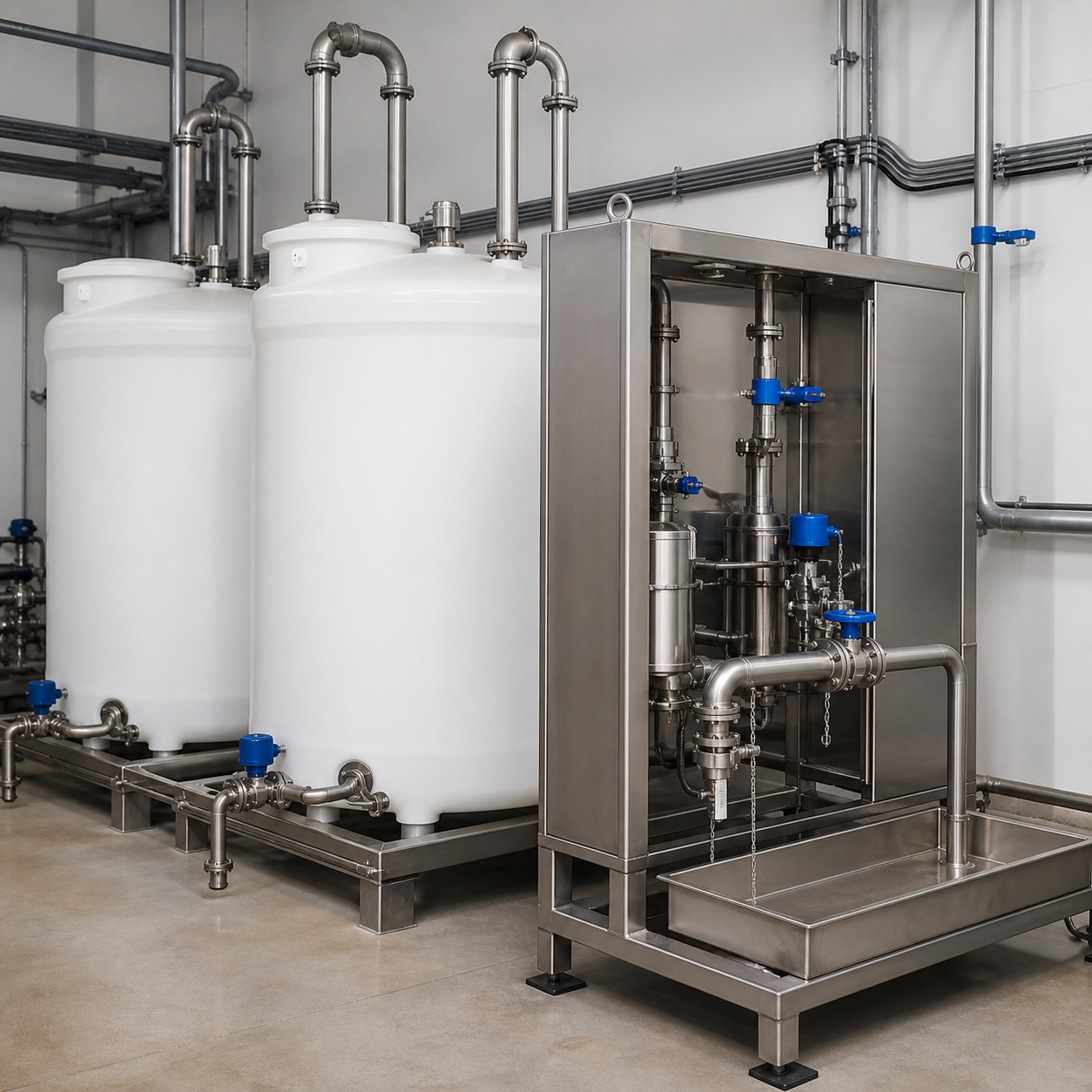
Packaging must be compatible, clean, vented or otherwise designed as required for the product, and protected from contamination. Confirm drum or IBC construction, closure, net mass, lot marking, palletization and shelf-life conditions. For bulk delivery, approve tanker materials, previous-cargo controls, dedicated connections, seals and unloading procedure.
Inspect before acceptance
Check shipment documents, seal, package condition, leakage, contamination, quantity and COA before unloading. Use a representative sample and approved clean tools. Quarantine damaged or suspect material. Receiving records should connect every package or tanker compartment to the supplier lot and storage tank.
Design storage around decomposition control
Hydrogen peroxide is a powerful oxidizer and can decompose with heat and oxygen release, especially after contamination. Use supplier guidance, the current SDS and engineering review for tank material, venting, temperature, segregation, secondary containment and emergency response. Never return sampled or transferred product to the original container.
Manage inventory and shelf life
Use first-in-first-out controls, approved temperature range and regular inspection. Trend assay when justified by the quality plan. Avoid excess inventory that outlives the supplier’s stated storage period. A reliable replenishment schedule can reduce both degradation risk and emergency purchasing.
Use authoritative references
The NIOSH Pocket Guide identifies hydrogen peroxide as a powerful oxidizer and lists incompatible metals and occupational controls. PubChem lists industrial functions including bleaching, cleaning and oxidation. The current supplier SDS remains essential.
Send a complete RFQ
State concentration, grade, impurity controls, annual volume, shipment size, packaging, destination, storage limit and documentation. Review the Hiacid hydrogen peroxide supply page and product record, then request a specification-based quotation.
Related hydrogen peroxide resources
- Hydrogen Peroxide for Pulp and Paper Bleaching
- Hydrogen Peroxide for Textile Bleaching and Process Control
- Hydrogen Peroxide for Industrial Wastewater Oxidation
Frequently asked questions
Is the highest hydrogen peroxide concentration always best?
No. Balance active content and freight against equipment, storage, transport and process safety requirements.
Why do stabilizers matter?
They support product stability but may affect residue or sensitive downstream applications, so the grade must match the process.
Which receiving checks are useful?
Verify documents, package condition, lot identity, concentration and any critical impurities using approved sampling methods.
Can unused samples be returned to the container?
No. Returned material can introduce contamination and accelerate decomposition.