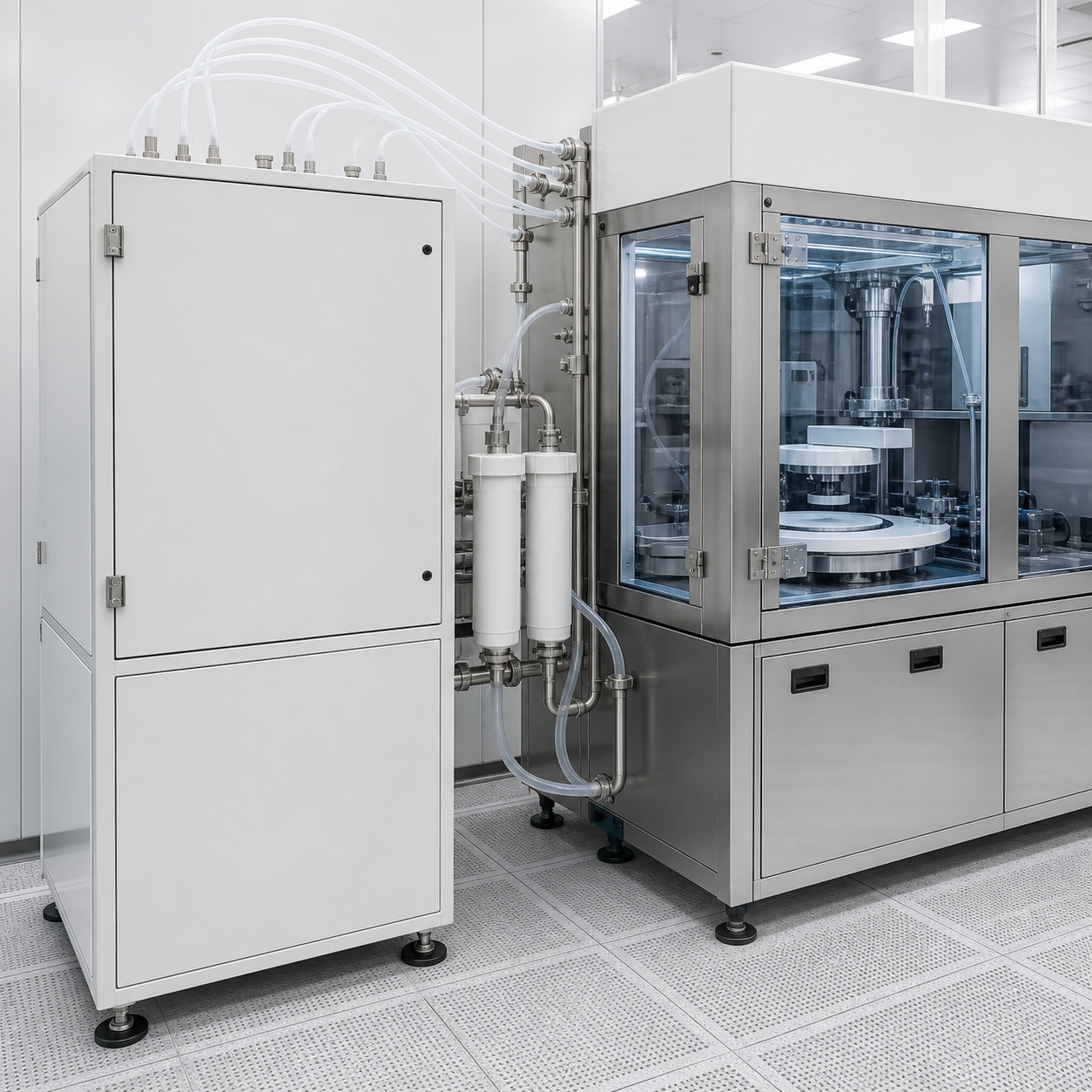
High-purity nitric acid may be used in selected electronics, photovoltaic or precision-surface processes where trace contamination is tightly controlled. The term “electronic grade” is not sufficient by itself. A buyer must identify the required concentration, trace-metal panel, anion limits, residue, particles, color, packaging cleanliness and analytical methods for the actual process node. Limits suitable for general metal finishing may be unacceptable for a sensitive wafer or component line, while unnecessarily low limits can increase cost and lead time without measurable benefit. Qualification should include supplier documentation, method capability, container and closure review, incoming sampling, point-of-use checks and a production trial. The chemical distribution system is part of the quality chain: storage, valves, filters, tubing, connectors and maintenance can add more contamination than the delivered acid. Procurement, facilities, process engineering, analytical laboratory and EHS should therefore approve one control plan. Lot traceability must extend from supplier production through the day tank and tool when feasible.
For B2B implementation of High-Purity Nitric Acid for Electronics Cleaning Supply, assign ownership across purchasing, quality, production, engineering, logistics and EHS before the first delivery. Approve the receiving test, compatible handling system, deviation response, retained-sample period and supplier-change process in writing. This shared control plan helps separate raw-material variation from equipment or operating changes and provides objective evidence for investigations.
Translate process risk into a specification
List the metals, anions, particles and nonvolatile residue that can affect yield, film integrity, adhesion or electrical performance. Use process history and controlled trials to set limits. Separate incoming chemical requirements from point-of-use requirements because the distribution system may introduce or remove contaminants.
Confirm analytical capability
Specify method, reporting units, detection and quantification limits, blank correction and uncertainty where relevant. Trace analysis requires controlled vessels, reagents and environment. Compare buyer and supplier laboratories through split samples before treating small differences as a material failure.
Control particles and nonvolatile residue
Particle limits require defined size threshold, counting method and sample handling. Residue measurements need compatible evaporation and blank control. Packaging particles, closure wear and sampling technique can dominate the result, so investigate the full chain rather than rejecting the production batch automatically.
Design contamination-resistant sampling
Use an approved clean sampling point, container, flushing sequence and environment. Avoid metal tools and uncontrolled ambient exposure. Record container lot, sampler, time and location. A sample taken after maintenance should be identified separately from normal receiving data.
Qualify packaging and distribution materials
Container resin, fluoropolymer components, valves, filters and seals must be approved for the concentration, temperature and purity requirement. Evaluate extractables, particles, permeation and connection cleanliness. Use dedicated transfer paths and controlled changeout procedures.
Maintain point-of-use traceability
Map bulk or packaged lots to tanks, filters and production tools. Record maintenance and filter changes alongside chemical results. When a process excursion occurs, this timeline helps distinguish supplier variation from distribution-system or tool contamination.
Manage concentration and nitrogen species
Specify assay and any requirement for nitrous species or color using agreed methods. Storage time, temperature, light exposure and contamination can affect appearance and composition. Define shelf life and retest policy from supplier data and internal validation rather than applying an arbitrary date.
Use chemical identity data correctly
The NIH PubChem nitric acid record provides identity, property and hazard information. It does not define a semiconductor purity grade. Each buyer must establish a fit-for-use impurity panel and analytical program.
Control supplier and site changes
Require notice for production-site, purification, water, analytical-method, container-resin, closure, filling-line and logistics changes. Decide which changes need document review, sample testing or complete requalification. Maintain an approved backup source through periodic review.
Prepare a high-purity RFQ
State concentration, trace-metal and anion panel, residue, particle requirements, methods, package and closure, annual volume, destination, COA format and change control. Review the Hiacid nitric acid product and supply page and industrial buying guide, then discuss qualification requirements.
Related nitric acid resources
- 68% Nitric Acid Buying Specification for Industrial Supply
- Nitric Acid for Stainless Steel Passivation and Validation
- Nitric Acid for Industrial Metal Nitrate Production
Frequently asked questions
Is electronic grade a universal specification?
No. Buyers must define concentration, impurity panel, particles, residue, methods and packaging for the process.
Why test at the point of use?
Storage and distribution components can add contaminants after the chemical passes receiving inspection.
What causes disagreement in trace-metal results?
Sampling, blanks, detection limits, vessel cleanliness and method differences can all affect very low-level data.
Which supplier changes require review?
Purification, production site, methods, packaging resin, closures and filling systems are common change-control items.