Oxalic-acid-bearing wastewater can arise from equipment cleaning, metal treatment, mineral purification, solution preparation or off-spec batches. Treatment is not simply a matter of adding alkali until a pH target appears. Oxalate can interact with calcium and other metals to form solids, while the original wastewater may also contain dissolved metals, suspended material, detergents or process contaminants. A safe treatment plan begins with representative characterization, bench testing, reaction control, solid-liquid separation and a defined outlet for both water and sludge. This article is a planning guide for industrial teams and does not replace site permits, waste classification, engineering design or professional environmental review.
For industrial qualification, assign purchasing, quality, engineering, operations, logistics and EHS responsibilities before the first delivery. Approve the specification, analytical methods, sampling point, retained-sample period, storage conditions, deviation response and release authority in writing. Evaluate several representative supplier lots under controlled process conditions so one unusually clean or unusual lot does not become the hidden baseline. Record raw-material identity, hydrate form, assay, relevant impurities, package condition and lot number together with process settings, mass balance, waste, equipment observations and final product quality. This separates raw-material variation from water, equipment, operator and analytical changes. Review the chain from supplier release through carrier, pallet, bag, warehouse and make-down station because contamination or moisture pickup can occur after final analysis. Reconcile ordered, received, stored and consumed quantities and investigate unexplained differences. Supplier scorecards should include documentation accuracy, delivery condition, corrective-action quality and change notification as well as price. Qualify an alternate source before a disruption using the same methods and process criteria. When buyer and supplier results differ, review sampling, basis, calibration, detection limits, rounding and uncertainty before disposition. Confirm emergency contacts, receiving hours and stop-work authority for every shipment. Close qualification with an authorized report, approved supplier status and a routine monitoring plan.
Characterize each waste stream
Measure flow, pH, acidity, oxalate, metals, calcium, suspended solids, conductivity and other permit-relevant parameters. Keep concentrated batches separate from dilute rinses until compatibility and treatment capacity are understood.
Map variability and upset cases
Use data from startup, cleaning, product change and abnormal events, not just steady production. Define maximum credible volume and concentration so tanks, dosing and containment are not sized to an average that hides risk.
Bench-test the treatment sequence
Evaluate reagent choice, addition order, mixing, temperature, reaction time, solids formation and final water quality with representative samples. Do not assume theoretical neutralization predicts precipitation, filterability or residual dissolved metals.
Control heat and localized reaction
Neutralization can release heat, and concentrated addition can create extreme local pH. Use controlled dosing, adequate agitation, temperature monitoring and stop criteria established through the process hazard review.
Understand calcium oxalate solids
Calcium can convert dissolved oxalate into sparingly soluble calcium oxalate under suitable conditions, but competing ions, acidity and complexation affect the result. Quantify reagent demand and residuals rather than treating precipitation as automatic.
Design for separation and washing
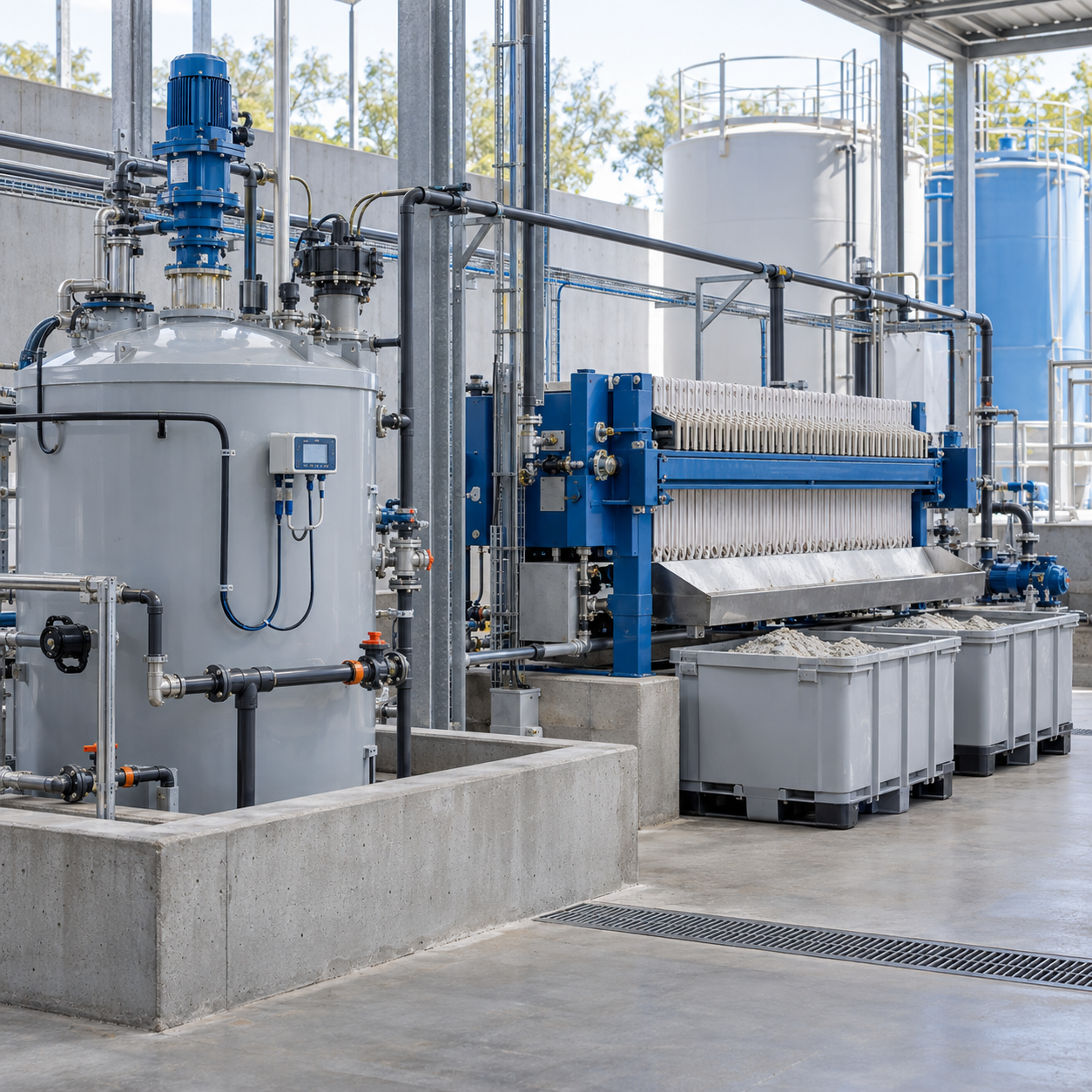
Measure settling rate, particle size, filter pressure, cake moisture and wash efficiency. Select clarifiers, filters or presses from pilot data and provide a safe closed method for cleaning deposits from pipes and equipment.
Protect workers and prevent incompatible mixing
The NIOSH Pocket Guide identifies oxalic acid exposure limits and incompatibilities. Segregate oxidizers, chlorites, strong alkalis and incompatible wastes according to the approved compatibility review and current SDS.
Classify outputs before release
Test treated water against the applicable permit and characterize sludge under local waste rules. Neutral pH alone does not demonstrate acceptable oxalate, metals, solids or toxicity.
Reduce waste at the source
Optimize cleaning volume, recover usable solution where feasible, maintain dosing equipment and prevent cross-contamination. Track kilograms of oxalic acid purchased, used, recovered and sent to treatment.
Prepare a supply-and-waste inquiry
Provide process use, acid form, volume, packaging, make-down method and waste constraints. Review the Hiacid oxalic acid product page and supply overview, then request packaging and delivery options that support your approved handling plan.
Related oxalic acid resources
- Oxalic Acid Dihydrate vs Anhydrous: Industrial Buying Guide
- Oxalic Acid Solution Preparation and Dosing Systems
- Oxalic Acid Assay by Permanganate Titration: COA Verification
Frequently asked questions
Is neutral pH enough to release treated water?
No. The applicable permit may also limit oxalate, metals, suspended solids, conductivity or other parameters.
Will calcium always remove all oxalate?
No. Performance depends on chemistry, pH, competing ions, mixing and separation, so bench and pilot testing are required.
Can concentrated and dilute waste be combined automatically?
No. Compatibility, heat release, tank capacity and treatment response must be reviewed first.
What records should be retained?
Keep waste characterization, reagent lots, operating data, test results, sludge classification, shipment and deviation records.