Commercial nitric acid around 68% by mass is widely purchased for metal treatment, nitrate manufacture, fertilizer-related processes and other controlled industrial operations. A buyer should not treat “68%” as a complete specification. Actual acceptance depends on the agreed assay range, analytical basis, color, nitrous species, chloride, sulfate, metals, residue, packaging and intended process. Concentration can also affect material compatibility, transport classification and unloading design. A useful request for quotation therefore begins with the application and receiving system, not only annual tonnage. Procurement, quality, engineering, logistics and EHS should approve the same document before qualification. The supplier should understand which values are contractual limits, which are typical data and which are information-only. This prevents disputes caused by comparing results obtained with different methods or samples. Qualification should include representative lots, document review, a receiving test and a controlled production trial before the material becomes an unrestricted source.
For B2B implementation of 68% Nitric Acid Buying Specification for Industrial Supply, assign ownership across purchasing, quality, production, engineering, logistics and EHS before the first delivery. Approve the receiving test, compatible handling system, deviation response, retained-sample period and supplier-change process in writing. This shared control plan helps separate raw-material variation from equipment or operating changes and provides objective evidence for investigations.
Define concentration and analytical basis
State whether concentration is reported as mass fraction of HNO3 and identify the approved test method, sampling temperature and reporting precision. Do not assume that a product described as 68% will match every internal recipe without calculation. Specify an acceptance range that reflects process need and analytical capability rather than copying an unrealistically narrow marketing value.
Separate contractual and typical values
Mark each line as a guaranteed limit, typical value or report-only result. Ask for recent certificates of analysis from several lots and compare the supplier method with the receiving laboratory. When methods differ, complete a correlation study before deciding that results conflict.
Select application-relevant impurities
Potential controls include nitrous acid or nitrogen oxides, chloride, sulfate, iron, heavy metals, evaporation residue and color. The correct list depends on the process. Stainless-steel treatment, nitrate synthesis and electronic cleaning do not have identical risk profiles, so one universal impurity table can add cost without improving performance.
Set realistic detection and reporting rules
Define units, method detection limit, treatment of results below detection and significant figures. A limit below the laboratory capability cannot be enforced consistently. Require advance notice when the supplier changes an analytical method that supports a contractual value.
Match packaging to the receiving system
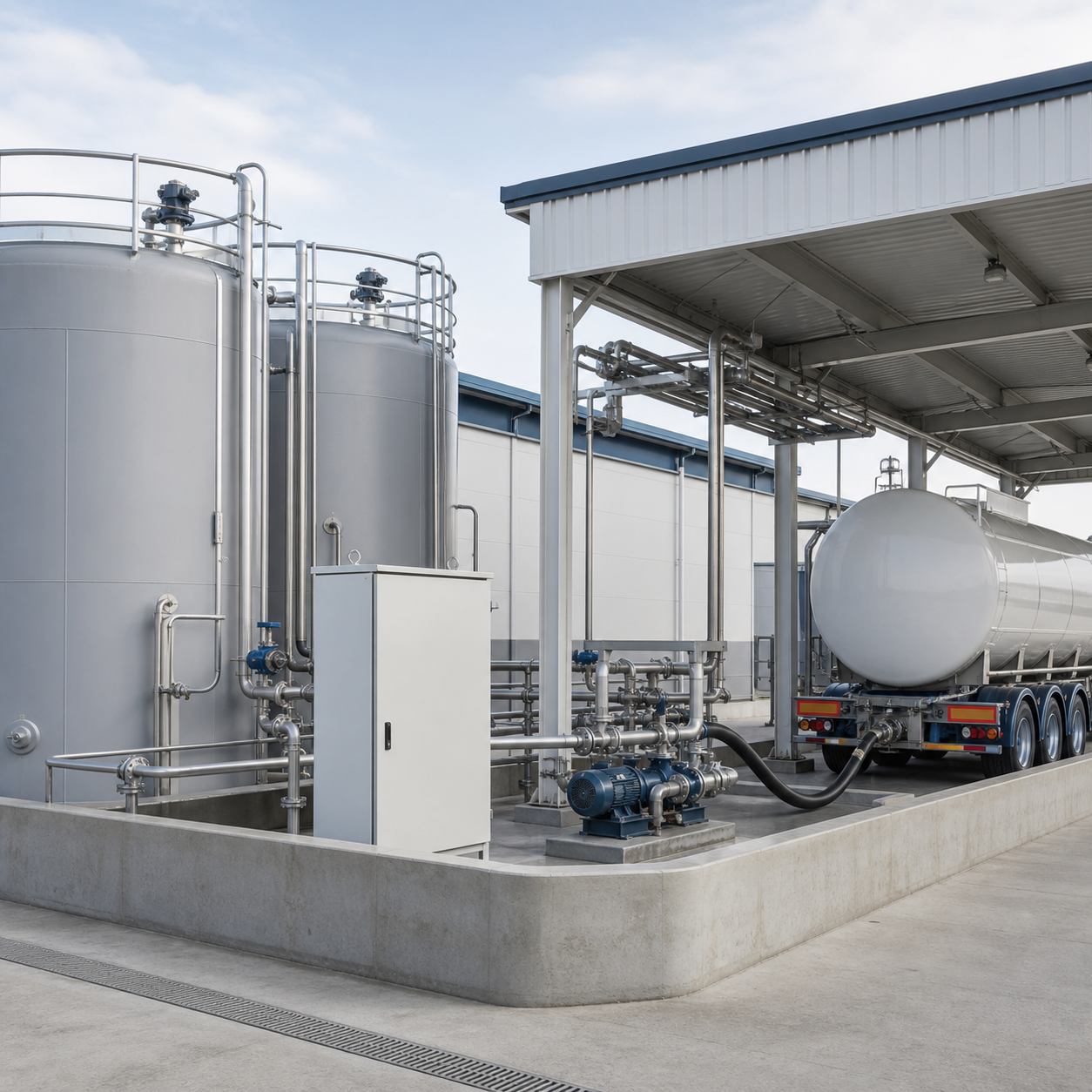
Choose bulk tanker, ISO tank, IBC or approved smaller packaging only after a formal compatibility and regulatory review. Confirm venting, connections, seals, unloading rate, secondary containment and emergency isolation. Packaging must remain dedicated and clean enough to protect both product purity and receiving safety.
Control shipment identity and documents
Purchase orders should identify grade, concentration, quantity, package, lot traceability, COA, SDS language, origin documents and destination requirements. Agree how seals and container numbers are recorded. Quarantine shipments with damaged closures, unexplained discoloration or document mismatch.
Plan receiving inspection and sampling
Use a written sampling plan designed for corrosive oxidizing liquid. Sampling equipment, location and container must be compatible and free of organic contamination. Verify vehicle or package condition, seal integrity, lot identity and essential documents before transfer. Analyze only the agreed acceptance characteristics unless an investigation requires more.
Use authoritative hazard information
The NIOSH Pocket Guide entry for nitric acid summarizes exposure limits, symptoms and incompatibilities. The NIH PubChem record provides additional identity and hazard context. Site procedures must use the current supplier SDS and local regulations.
Qualify supply continuity and changes
Review production site, quality system, traceability, retained samples, deviation handling and change notification. Define what constitutes a significant change, including raw materials, concentration control, packaging, loading point and test method. Establish backup supply only after the alternate source completes the same approval route.
Issue a complete nitric acid RFQ
State application, assay range, impurity limits and methods, annual and shipment volume, packaging, destination, incoterm, delivery window, documents and change-control expectations. Review the Hiacid nitric acid product and supply page, then request a specification-based quotation.
Related nitric acid resources
- Nitric Acid for Stainless Steel Passivation and Validation
- Nitric Acid for Industrial Metal Nitrate Production
- High-Purity Nitric Acid for Electronics Cleaning Supply
Frequently asked questions
Is 68% nitric acid a complete purchasing grade?
No. Buyers should also define analytical basis, relevant impurities, packaging, documents and receiving requirements.
Which impurities should every buyer specify?
There is no universal list; limits should come from the application, equipment and final-product risk.
Why compare supplier and receiving methods?
Different methods, sampling conditions and reporting rules can create apparent disagreements between laboratories.
What should trigger shipment quarantine?
Examples include damaged packaging, seal mismatch, missing documents, unexplained color or a failed agreed acceptance test.