
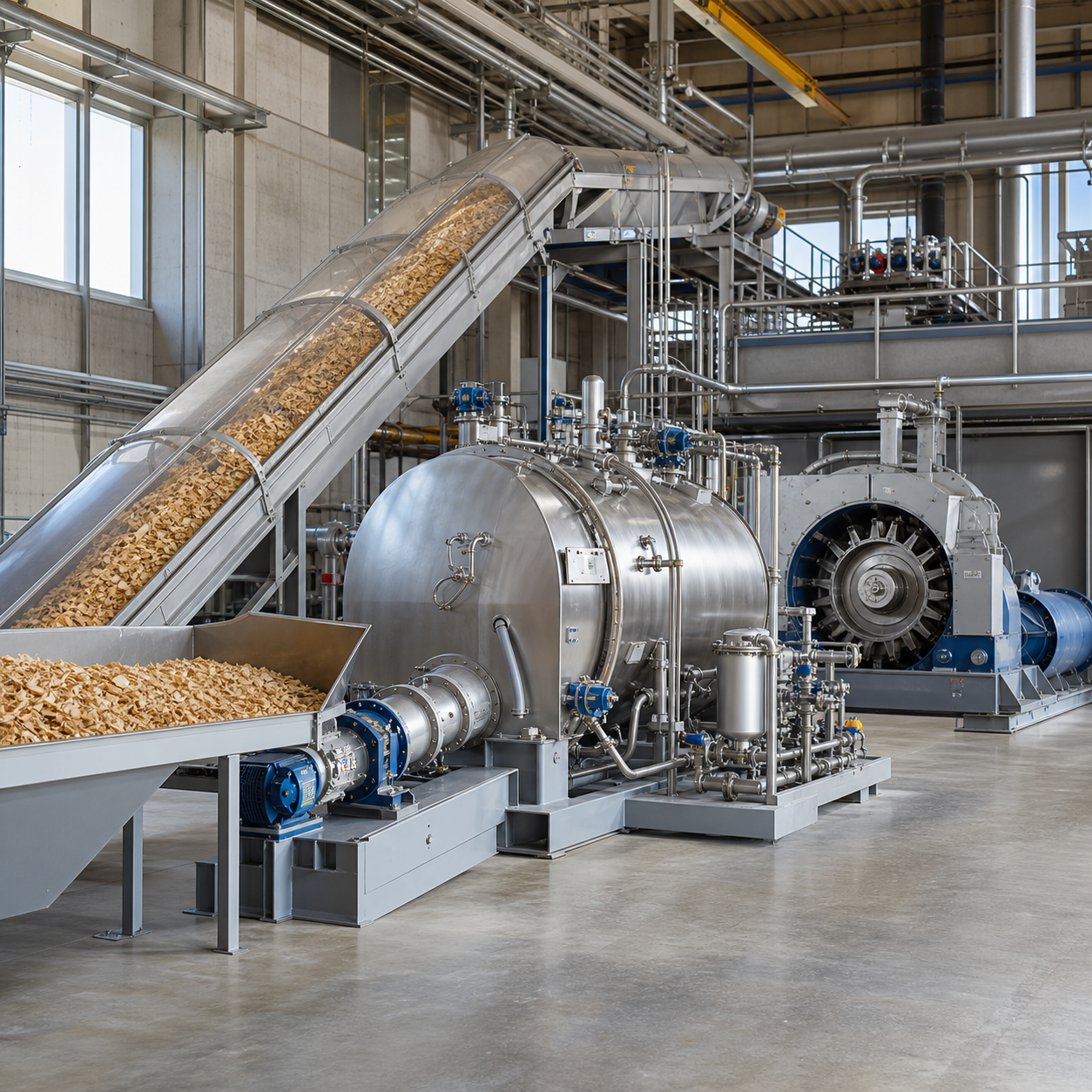
Oxalic acid pretreatment has been studied as a way to modify wood chips before thermomechanical refining, with potential effects on electrical energy, fiber development, brightness and extraction of hemicellulosic sugars. Results vary with species, chip size, moisture, acid loading, temperature, residence time and refining target. A mill should not transfer pilot conditions directly to production. It must test representative wood, integrate impregnation and washing with the existing chip and water systems, and measure pulp quality as well as energy. Procurement connects oxalic acid assay, hydrate form and impurities to accurate active-acid dosing, while mill engineering remains responsible for corrosion, recovery, effluent and process safety.
For B2B implementation, assign purchasing, production, quality, engineering and EHS ownership before the first delivery. Approve receiving tests, sampling tools, storage, dosing basis, deviation response and retained-sample period in writing. This control plan helps separate raw-material variation from equipment or operating changes and provides objective evidence for buyer-supplier investigations. During qualification, compare at least several representative acid lots under the same operating conditions and record mass balance, product quality, waste load and equipment observations. Establish who can approve a temporary deviation and what evidence is required before material is released. Review transportation, package integrity and unloading alongside laboratory results, because contamination or moisture can enter after the supplier’s final test. Close every trial with a written conclusion, updated specification and defined requalification triggers.
Define mill objectives and reference pulp
Set targets for refiner energy, freeness, fiber length, shives, strength, brightness, yield and downstream bleaching. Produce a matched untreated control under the same refining conditions. Energy savings are meaningful only when pulp quality and throughput remain acceptable.
Test representative wood species and seasons
Aspen, spruce, pine and mixed furnish can respond differently. Include normal and difficult chip lots, bark, moisture and size distribution. Track storage age and extractives so a feed change is not mistaken for an acid-lot effect.
Control impregnation and residence time
Verify acid solution concentration, chip coverage, liquor-to-wood ratio, temperature and dwell. Poor penetration creates an uneven furnish and unstable refining. Pilot the actual conveyor, plug screw, vessel or impregnation method rather than assuming laboratory soaking is equivalent.
Use an active-acid mass balance
Oxalic acid dihydrate contributes crystal water. Define dosing as commercial product mass or anhydrous equivalent and confirm solution strength analytically. Reconcile acid in, recovered liquor, washed chips and effluent to identify consumption and carryover.
Measure fiber and sugar outcomes together
Analyze extracted carbohydrates, lignin and dissolved solids alongside pulp strength and optical properties. A higher sugar release may reduce pulp yield or change refining response. The best condition depends on whether the mill values fiber, a biorefinery stream or both.
Evaluate refining and bleaching interactions
Run the pretreated chips through the intended refining stages and assess bleach chemical demand. Changes in brightness, metal content or fines can affect later operations. Do not approve the pretreatment from chip chemistry alone.
Plan corrosion, recovery and effluent control
Review impregnation equipment, pumps, seals, refiners and recovery contact materials under the actual acid and temperature. Characterize oxalate, dissolved wood components and metals in effluent. Calcium oxalate scaling risk should be considered where hard water or calcium-rich streams mix.
Use pilot evidence carefully
A USDA Forest Products Laboratory pilot paper reports species-dependent energy and brightness effects from oxalic-acid pretreatment. Its results support mill trials but do not define a universal concentration, time or economic outcome.
Specify consistent incoming acid
State hydrate form, assay, iron, insoluble matter and pulp-sensitive impurities with methods. Review several COAs and validate multiple lots. Protect bags from moisture and control dust during solution make-up.
Build a scale-up supply plan
Estimate monthly active-acid demand, storage, delivery frequency and contingency inventory. Review the Hiacid oxalic acid supply page and product record, then send trial volume, annual forecast and destination through the contact page.
Related oxalic acid resources
- Oxalic Acid for Silica Sand Iron Removal and Purification
- Oxalic Acid for Ceramic Clay Iron Removal and Whitening
- Oxalic Acid for Controlled Industrial System Decontamination
Frequently asked questions
Does oxalic acid pretreatment give the same result for every wood species?
No. Species, chips, moisture, conditions and refining target strongly affect response.
What must be compared with energy savings?
Compare pulp strength, brightness, yield, freeness, shives, throughput and downstream chemical demand.
Why track calcium in process water?
Calcium can combine with oxalate and contribute to scaling in some process locations.
How should acid demand be calculated?
Use verified active acid, hydrate form, solution concentration, wood throughput and validated process loading.