Hydrogen peroxide is used in selected in situ chemical oxidation programs, including catalyzed peroxide systems, to transform contaminants in soil or groundwater. Field response depends on contaminant distribution, geology, groundwater chemistry, natural oxidant demand, iron, pH, temperature and delivery. Peroxide can decompose rapidly, generate heat and oxygen, mobilize constituents or fail to contact low-permeability zones. Procurement must therefore follow a remedy design approved by qualified environmental professionals and regulators. This article addresses supply qualification, staging and documentation only; it is not an injection recipe or a substitute for a site-specific safety plan.
For B2B implementation, assign purchasing, production, quality, engineering and EHS ownership before the first delivery. Approve receiving tests, sampling tools, storage, transfer, deviation response and retained-sample period in writing. During qualification, compare several representative peroxide lots under the same conditions and record mass balance, process result, waste load and equipment observations. This control plan separates raw-material variation from operating or analytical changes and supports buyer-supplier investigations. Review transport, package venting, seal integrity and unloading because contamination can enter after the supplier’s final test. Define who can approve deviations, what evidence is required before release and which changes trigger requalification. Reconcile ordered, received, stored and consumed quantities; trend concentration and critical impurities by lot; audit transfer connections; and review deviations jointly with operations. Supplier scorecards should cover documentation, delivery condition, responsiveness and corrective-action quality, not price alone. Qualify an alternate source before a disruption. Review training, calibration and laboratory uncertainty whenever test results disagree. Confirm receiving capacity, unloading duration, temperature limits, vent inspection, emergency communication and holiday coverage before scheduling each load. Verify that warehouse rotation and use-by controls prevent an older container from being overlooked. Include maintenance and logistics staff in post-trial review because their observations often reveal contamination, venting or handling risks that laboratory data cannot show. Close each trial with an authorized report, updated specification, assigned actions and routine-monitoring decision.
Characterize the site before specifying oxidant
Map contaminants, concentration, phase, depth, hydraulic conductivity, oxidant demand and sensitive receptors. Test representative soil and groundwater. A bench result without transport and gas-management analysis cannot define a field program.
Define measurable remediation endpoints
Link peroxide use to approved cleanup levels, mass reduction, flux, rebound monitoring and downstream risk. Specify how baseline, treatment and confirmation samples will be collected and preserved.
Select concentration through engineering review
Commercial peroxide strength influences transport, dilution, tanker volume and hazard controls. Confirm the delivered and injected forms separately. Any field dilution must use compatible water, equipment and procedures.
Validate the complete reagent system
Catalysts, chelants, acids, bases or stabilizers may change reaction and mobility. Test the approved combination with site media and equipment. Never assume additives qualified individually are compatible when mixed.
Plan delivery and subsurface contact
Injection wells, manifolds, pumps and monitoring points must address pressure, distribution, gas evolution and temperature. Use staged field testing and decision criteria under the approved work plan.
Use EPA guidance as context
The U.S. EPA ISCO resource identifies Fenton or catalyzed hydrogen peroxide as an established oxidant class and discusses rapid reaction and limited subsurface persistence. Qualified designers must translate that context to the actual site.
Protect sampling and data quality
Residual oxidant can continue reacting after collection and bias contaminant results. Use the project quality assurance plan, field blanks, duplicates and approved preservation. Record peroxide lot, delivery and injection zone with each treatment event.
Prepare waste and contingency routes
Plan for purge water, investigation-derived waste, damaged packages and unused product before mobilization. Define shutdown, pressure, temperature and off-gas responses and coordinate with emergency services where required.
Control oxidizer logistics at the site
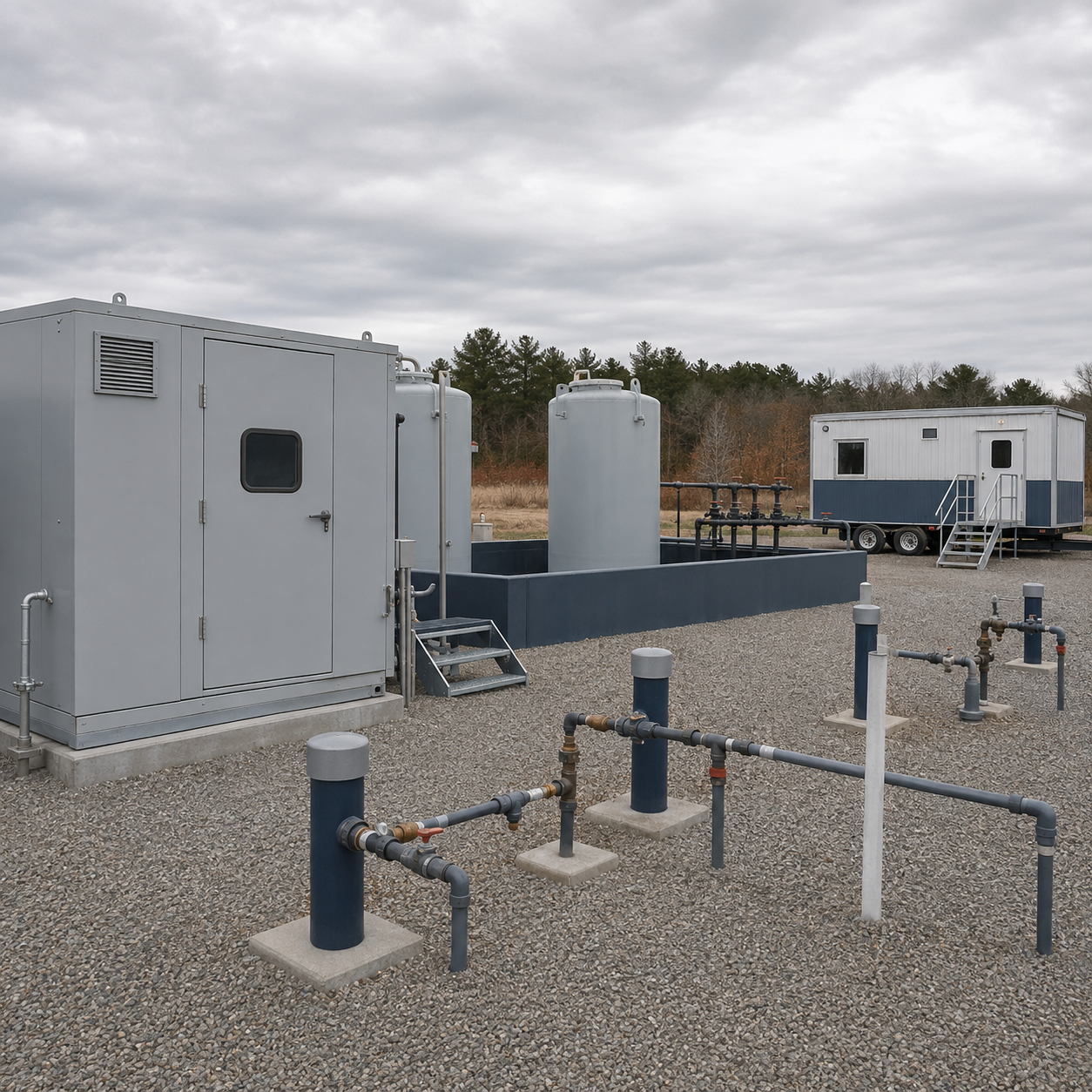
Use compatible vented containers, shaded secure staging, secondary containment and dedicated clean equipment. Prevent contact with fuels, soil, metals and organic residues. Trained personnel should inspect every connection and monitor unloading.
Issue a remediation RFQ
Provide concentration, critical impurities, total and staged volume, delivery access, schedule, package, destination, COA, SDS and carrier requirements. Review the Hiacid peroxide supply overview, then request availability and documentation.
Related hydrogen peroxide resources
- Hydrogen Peroxide for HPPO Propylene Oxide Production
- Vaporized Hydrogen Peroxide for Medical Device Sterilization
- Hydrogen Peroxide Supply for Aquaculture Fish Health
Frequently asked questions
Can peroxide dose be selected from contaminant concentration alone?
No. Geology, natural oxidant demand, transport, catalysts and safety constraints also control design.
Why can sampling be biased after treatment?
Residual oxidant may continue transforming contaminants in the sample unless the approved preservation method is used.
Is concentrated product injected directly?
Only if the licensed design explicitly allows it; delivered and injected concentrations must be controlled separately.
Who approves an ISCO program?
Qualified environmental professionals and the responsible regulators and site owner approve it.