
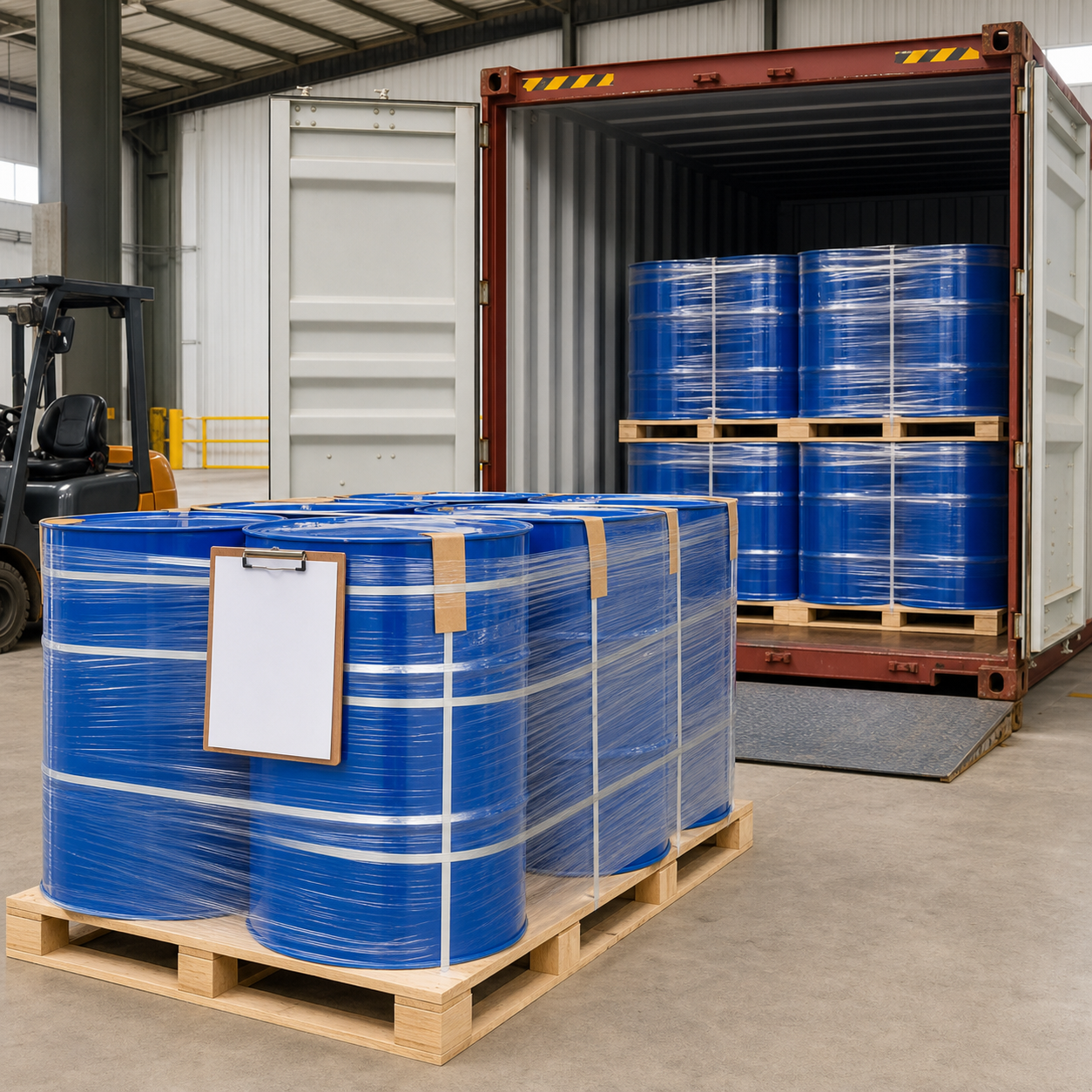
International phosphorous acid shipments require more than a commercial invoice and a strong drum. PubChem lists phosphorous acid under UN 2834 and identifies a Class 8 corrosive transport entry, but the shipper must confirm the exact product classification, concentration, physical form, packing group and modal requirements from the current SDS and applicable rules. Air, sea, road and rail requirements can differ, and national variations may apply. Exporters and buyers should agree packaging, documents, labels, marks, loading, route and emergency information before cargo is booked.
Confirm classification for the actual product
Use the current supplier SDS and a competent dangerous-goods review for the exact material being shipped. Do not copy a UN number from a marketplace listing or another concentration. Confirm proper shipping name, hazard class, packing group, subsidiary risks if any and marine-pollutant or other jurisdiction-specific status. The controlling rules depend on origin, destination and transport mode.
Align commercial and transport descriptions
The invoice, packing list, dangerous-goods declaration, SDS, package marks and carrier booking should describe the same product. Resolve differences in concentration, net weight, package count or name before loading. A consistent document set reduces customs questions and prevents a carrier from rejecting cargo after it reaches the port.
Select compliant compatible packaging
Packaging must be authorized for the classification and remain compatible with the actual acid concentration. Confirm packaging code, UN performance marking where required, closure instructions, gasket material, net mass or volume, headspace and filling temperature. Reconditioned or reused packaging needs documented suitability and inspection under the applicable rules.
Verify every closure and package
Use a written filling and closure procedure based on the packaging manufacturer instructions. Check torque or closure method, leakage, external cleanliness, label adhesion and lot marking. Record the packaging lot and filling batch. A clean exterior matters because corrosive residue can endanger handlers and damage adjacent cargo.
Build a safe container-loading plan
Inspect the container for structural damage, holes, moisture, contamination and protrusions. Distribute weight within payload and floor limits, secure packages against movement and protect closures from impact. Compatibility and segregation from other cargo must follow the modal code and carrier requirements. Photograph the empty container, loading stages, securing and sealed doors as part of the shipment record.
Account for temperature and route
Route duration, climate, port dwell and transshipment can affect packaging stress and product condition. Confirm whether low or high temperature changes crystallization, pressure, viscosity or handling. Agree instructions for delays, damaged cargo and emergency response before departure rather than improvising after an incident.
Prepare a complete document pack
Typical commercial documents can include invoice, packing list, certificate of analysis, SDS, origin documents and bill of lading instructions. Dangerous-goods transport documents and declarations must be prepared by qualified personnel when required. The exact pack depends on product, mode, destination, contract and customer needs, so use a shipment-specific checklist.
Define receiving inspection
The buyer should inspect seal, container condition, package count, labels, leakage, dents and pallet stability before unloading. Quarantine damaged cargo and follow the site emergency plan. Match package lot codes to the COA and take receiving samples under a written procedure before releasing material to production.
Buy on delivered risk, not freight alone
The PubChem phosphorous acid record lists transport and hazard identifiers and is a useful cross-check, but the current SDS and applicable modal regulations control the shipment. Review the storage and handling guide before planning receipt.
Send a logistics-ready inquiry
State concentration or form, required specification, package, quantity, Incoterm, origin and destination ports, requested sailing window and document needs. Ask how packages are inspected, palletized and secured and how shipment photos and COAs are supplied. Review the Hiacid phosphorous acid page and contact the export team.
Related phosphorous acid resources
- Phosphorous Acid for Potassium Phosphite Manufacturing
- Phosphorous Acid as a Water Treatment Chemical Intermediate
- Phosphorous Acid Storage and Handling
Frequently asked questions
Is all phosphorous acid shipped under the same classification?
Do not assume so. Confirm the exact product, concentration, physical form, packing group and modal requirements from current documents and applicable rules.
Can ordinary drums be used for export?
Packaging must be authorized, compatible, correctly marked and closed according to the applicable dangerous-goods requirements.
Which documents should the buyer request?
The shipment-specific pack may include invoice, packing list, COA, SDS, origin documents and required dangerous-goods transport declarations.
What should be checked when the container arrives?
Inspect the seal, container, package count, labels, leakage, damage, pallet stability, lot codes and accompanying documents before release.