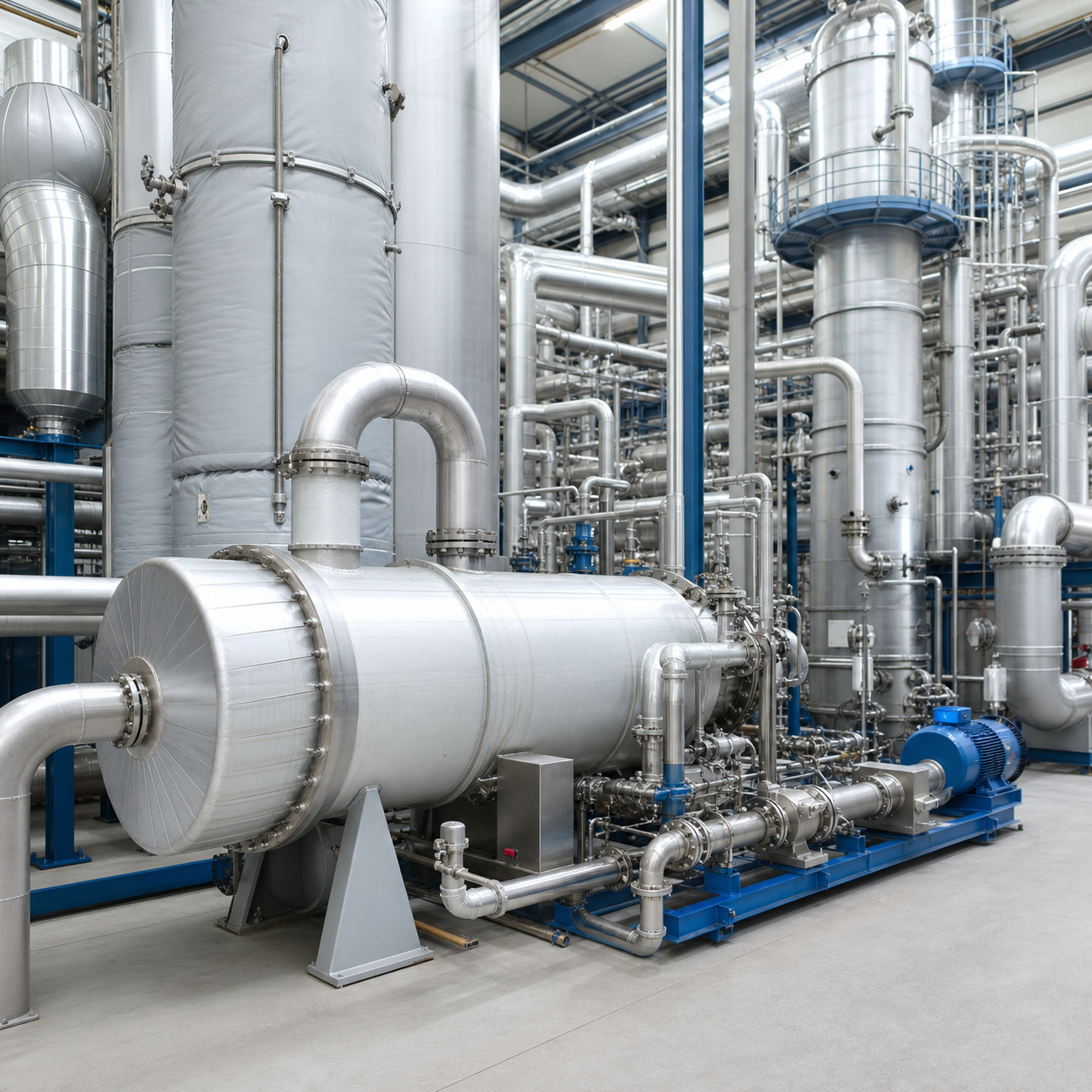
In a ketene-route acetic anhydride process, acetic acid is converted under high-temperature conditions to ketene, and ketene is then reacted with acetic acid to form acetic anhydride. The feed must support stable vaporization, conversion, condensation and recovery without introducing water or nonvolatile material that burdens the process. Because the route includes high temperature, reactive intermediates and corrosive material, feed qualification cannot be separated from engineering controls. Buyers should define acid concentration, water, residue and process-sensitive impurities, verify them across multiple lots and align deliveries with storage and continuous production. Commercial operating parameters are proprietary and plant-specific; the supplier’s role is to deliver a consistent approved feed, not to prescribe reactor conditions.
Define feed and recycle boundaries
Map fresh acid, recycled acid, condensate, product and purge streams. Identify the analysis point that represents furnace or reactor feed rather than storage-tank composition alone. Water or contaminants can enter through recycled streams even when the incoming shipment conforms, so the process balance must distinguish supplier quality from internal accumulation.
Set a measurable fresh-acid specification
State minimum assay, maximum water, color, nonvolatile residue and any critical ions or metals with agreed test methods. Specify whether results are reported by mass and how samples are taken. Acceptance ranges should reflect the process and analytical precision, not an arbitrary number copied from another plant.
Control vaporization performance
Nonvolatile residue can foul heat-transfer surfaces or concentrate in the recovery loop. Track evaporator duty, pressure drop, cleaning frequency and purge composition when evaluating feed changes. A stable boiling profile and clean vaporization system support predictable conversion and reduce unplanned shutdown work.
Manage water across the route
Water is formed or introduced in parts of the chemistry and can alter separation and recycle loads. Fresh glacial acid should be evaluated within the total water balance. Do not diagnose rising water from a single storage sample; check condensate, recycle, leaks, sampling and analytical calibration.
Protect product quality and recovery
Product purity depends on reaction control and downstream separation, but feed color, residue and trace impurities may contribute to variability. Connect each acid lot to acetic anhydride assay, color and by-product trends. Use retained samples and statistically meaningful comparisons instead of changing suppliers on one isolated result.
Quantify the value of consistency
Normalize pricing by active acetic acid and include energy, purge loss, cleaning, off-spec product, inventory and delivery reliability. A small assay or residue variation can matter in a continuous high-throughput process. Supplier scorecards should combine quality performance with logistics and corrective-action response.
Engineer safe closed transfer
Use compatible dedicated hoses, dry connections, containment, ventilation and ignition controls suitable for acetic acid service. Confirm tank venting and prevent water or incompatible chemical backflow. NIOSH lists strong oxidizers and strong caustics among incompatibilities and notes corrosivity to metals; the SDS and site process-safety assessment remain controlling.
Manage change and emergency supply
Require written notification of relevant manufacturing, feedstock, test-method or packaging changes. Prequalify a backup source and delivery route before an outage. Emergency purchasing should not bypass identity, assay, water and critical impurity checks simply because production is short of material.
Use process references carefully
A recent acetic anhydride process reference describes ketene formation from heated acetic acid followed by reaction with acetic acid. It is useful context, not an operating instruction. Only the plant licensor and engineering team should define process conditions.
Send a feedstock RFQ
Provide the complete specification, methods, annual and maximum monthly demand, shipment size, unloading connection, destination, required documents and change-control terms. Review the Hiacid glacial acetic acid product page and supply page, then request a qualified proposal.
Related glacial acetic acid resources
- Glacial Acetic Acid for Cellulose Acetate Production
- Glacial Acetic Acid in PTA Production and Solvent Recovery
- Glacial Acetic Acid for Textile Dyeing and pH Control
Frequently asked questions
How does acetic acid relate to acetic anhydride production?
In a ketene route, acetic acid is converted to ketene and ketene subsequently reacts with acetic acid to form the anhydride.
Why is nonvolatile residue important?
Residue can concentrate in recycle systems and contribute to fouling or additional purge and cleaning.
Is minimum assay enough for qualification?
No. Water, residue, color, critical impurities, logistics and several-lot consistency also need review.
Can a supplier recommend furnace operating conditions?
Commercial conditions must be defined by the plant licensor and engineering team; the supplier should meet the approved feed specification.