Materials compatibility for glacial acetic acid cannot be reduced to a single universal chart. Corrosion behavior depends on concentration, water, temperature, velocity, aeration, trace contaminants, welding, crevices and exposure time. A material that performs in cool clean acid may behave differently in a hot diluted process stream or at a transfer connection that traps moisture. Buyers and plant engineers should define every service condition, consult current supplier data and recognized engineering guidance, and obtain qualified corrosion review before selecting tanks, piping, pumps, valves, gaskets or instruments. Procurement should also preserve acid quality because chloride, oxidizers, metals or process backflow can change both product performance and equipment risk.
Define the actual service envelope
List normal and upset concentration, temperature, pressure, flow, oxygen exposure, cleaning chemicals and contaminants for each equipment item. Separate bulk storage, unloading, dilution and heated process service. Broad labels such as “acetic acid duty” hide the conditions that control material performance.
Consider startup and shutdown conditions
Equipment may see water, air, cleaning solution or concentrated residue during commissioning, washout and idle periods. Condensation in a vent or dead leg can create a different local composition from the tank bulk. Include these transient cases in materials and operating reviews.
Evaluate the complete equipment train
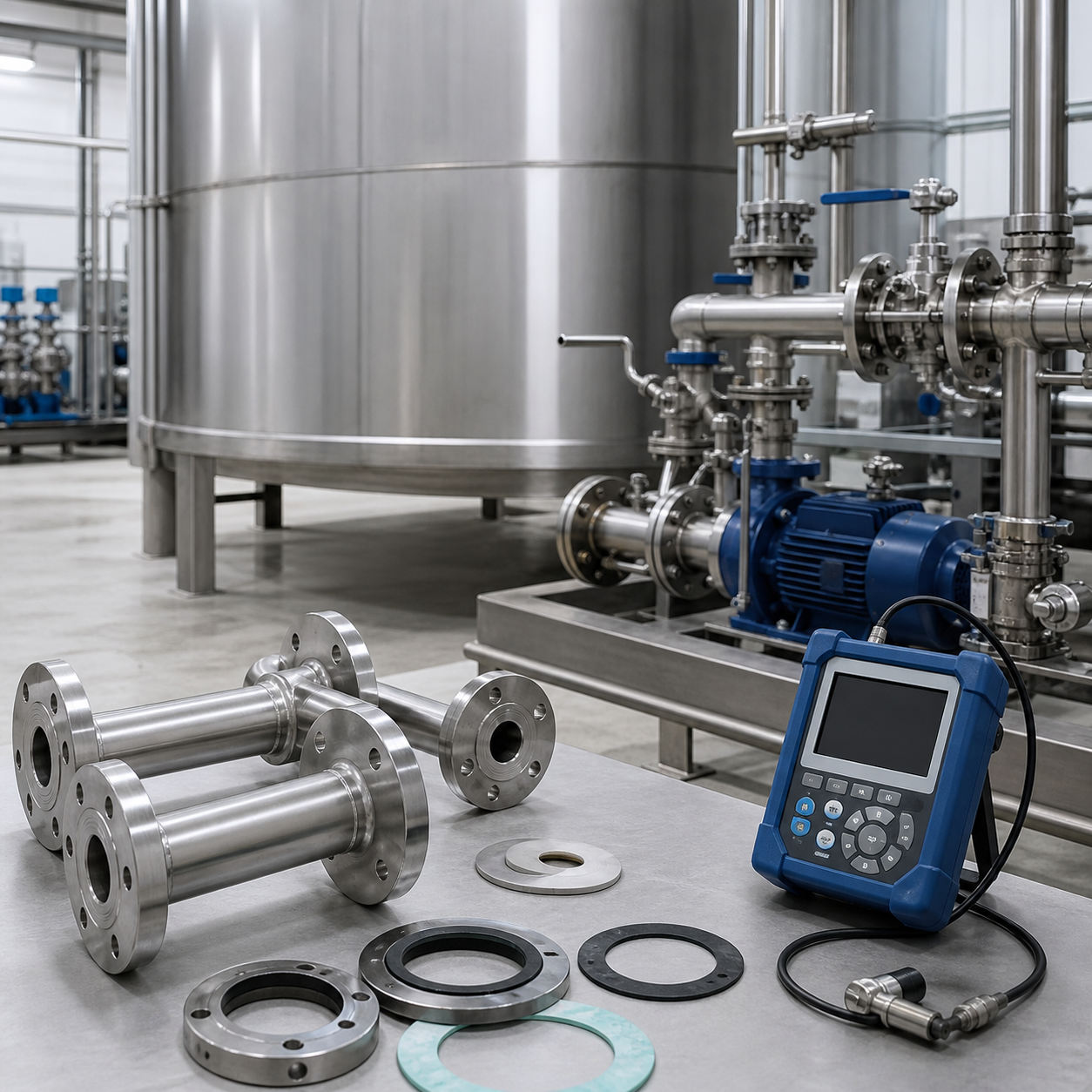
Review tank shell, roof, vent, nozzle, dip pipe, hose, pump, valve, seal, gasket, instrument and containment surfaces. One incompatible elastomer or lubricant can fail even when the main tank alloy is acceptable. Obtain written compatibility information for the exact grade and temperature range.
Control fabrication and maintenance quality
Weld procedure, surface condition, heat treatment, fastener selection and crevice design can influence reliability. Inspection should focus on known damage mechanisms and high-risk locations. Record baseline thickness or condition where appropriate and trend findings instead of relying only on visual checks after leakage occurs.
Prevent contamination-driven changes
Use dedicated or validated clean transfer equipment. Backflow of caustic, oxidizer, water or process mixture can create heat, reaction or unexpected corrosion. Confirm previous cargo controls for bulk transport and never return samples to the storage tank. Maintain seals and line identification without introducing incompatible materials.
Verify incoming acid quality
Assay, water, chloride and other process-sensitive impurities may be relevant to materials performance. Set limits from engineering review and process requirements. Trend actual COA results and receiving tests so a change can be investigated before it becomes a recurring equipment problem.
Design transfer and containment together
Closed unloading reduces vapor exposure and contamination, but connections must be mechanically reliable and easy to verify. Confirm hose inspection, dry-break or flange procedure, bonding, ventilation, overfill protection and emergency isolation. Secondary containment materials also need compatibility review for the credible spill concentration and duration.
Use authoritative hazard information
The NIOSH Pocket Guide describes acetic acid as corrosive to metals, identifies strong oxidizers and strong caustics as incompatibilities, and provides occupational limits. It does not replace an equipment-specific corrosion assessment, the current SDS or local regulatory requirements.
Build inspection into procurement
Request material certificates, gasket and seal identification, fabrication records and maintenance instructions for new equipment. Define inspection access and spare-part strategy. For existing systems, investigate recurring leaks by service condition and failure mode rather than repeatedly replacing the same component.
Give the chemical supplier useful context
Tell the supplier the required assay, water and impurity controls, shipment format, destination, receiving connection and storage limitations. Review the Hiacid product record and glacial acetic acid supply page. For a documented quotation and COA review, contact Hiacid.
Related glacial acetic acid resources
- Glacial Acetic Acid for Cellulose Acetate Production
- Glacial Acetic Acid in PTA Production and Solvent Recovery
- Glacial Acetic Acid for Acetic Anhydride Manufacturing
Frequently asked questions
Is one material suitable for every glacial acetic acid service?
No. Concentration, water, temperature, contaminants and mechanical details can change compatibility.
Why should gaskets and seals be reviewed separately?
Nonmetallic components can have different compatibility limits from the tank or piping alloy and may be the first failure point.
Can a general corrosion chart replace engineering review?
No. Use charts only as screening information and obtain qualified review for the actual service envelope.
How can purchasing reduce corrosion risk?
Maintain an evidence-based impurity specification, approve transfer equipment and require consistent supplier and shipment controls.