Commercial hydrochloric acid is commonly purchased as an aqueous solution in concentration ranges selected for steel processing, inorganic chloride manufacture, pH control, regeneration and general chemical production. A buyer should not treat “31%,” “33%” or “37%” as a complete grade description. Concentration affects delivered hydrogen chloride, water balance, fuming behavior, materials compatibility, unloading design and transport planning. The acceptance specification may also need limits for iron, sulfate, free chlorine, heavy metals, evaporation residue, color or other process-sensitive characteristics. A useful request for quotation therefore begins with the application, receiving system and finished-product risk rather than price per tonne alone. Purchasing, quality, production, logistics and EHS should approve one controlled document before supplier qualification. It should distinguish contractual limits from typical values and information-only results. Buyers should review several representative certificates of analysis, correlate supplier and receiving methods, and complete a controlled production trial before releasing a source for routine use.
For B2B implementation of 31–37% Hydrochloric Acid Buying Specification for Industry, assign ownership across purchasing, quality, production, engineering, logistics and EHS before the first delivery. Approve the receiving test, compatible handling system, deviation response, retained-sample period and supplier-change process in writing. This shared control plan helps separate raw-material variation from equipment or operating changes and provides objective evidence for investigations.
Define concentration on a clear basis
State whether assay is reported as mass fraction of HCl and identify the approved analytical method, sampling temperature and reporting precision. Set a realistic acceptance range based on process capability. If the operation buys multiple concentrations, assign separate product codes and unloading authorization so a stronger or weaker grade cannot be substituted informally.
Convert price to active HCl delivered
Compare quotations on pure-HCl equivalent as well as delivered mass. Include freight, package return, unloading time, inventory loss and dilution water. A nominally cheaper dilute grade can cost more when transport and storage capacity are limiting, while a concentrated grade may require different controls.
Choose application-relevant impurities
Potential controls include iron, sulfate, free chlorine, arsenic, lead, evaporation residue and color, but the correct panel depends on the downstream process. Metal chlorides, food-contact processing aids, water treatment and steel pickling do not have identical requirements. Avoid adding limits that cannot be connected to product or equipment risk.
Align methods and reporting rules
Define units, detection limits, significant figures and treatment of results below detection. Compare split samples during qualification because titration, spectrometry and color evaluation can differ between laboratories. Require advance notice before a supplier changes a method supporting a contractual value.
Match packaging to the receiving system
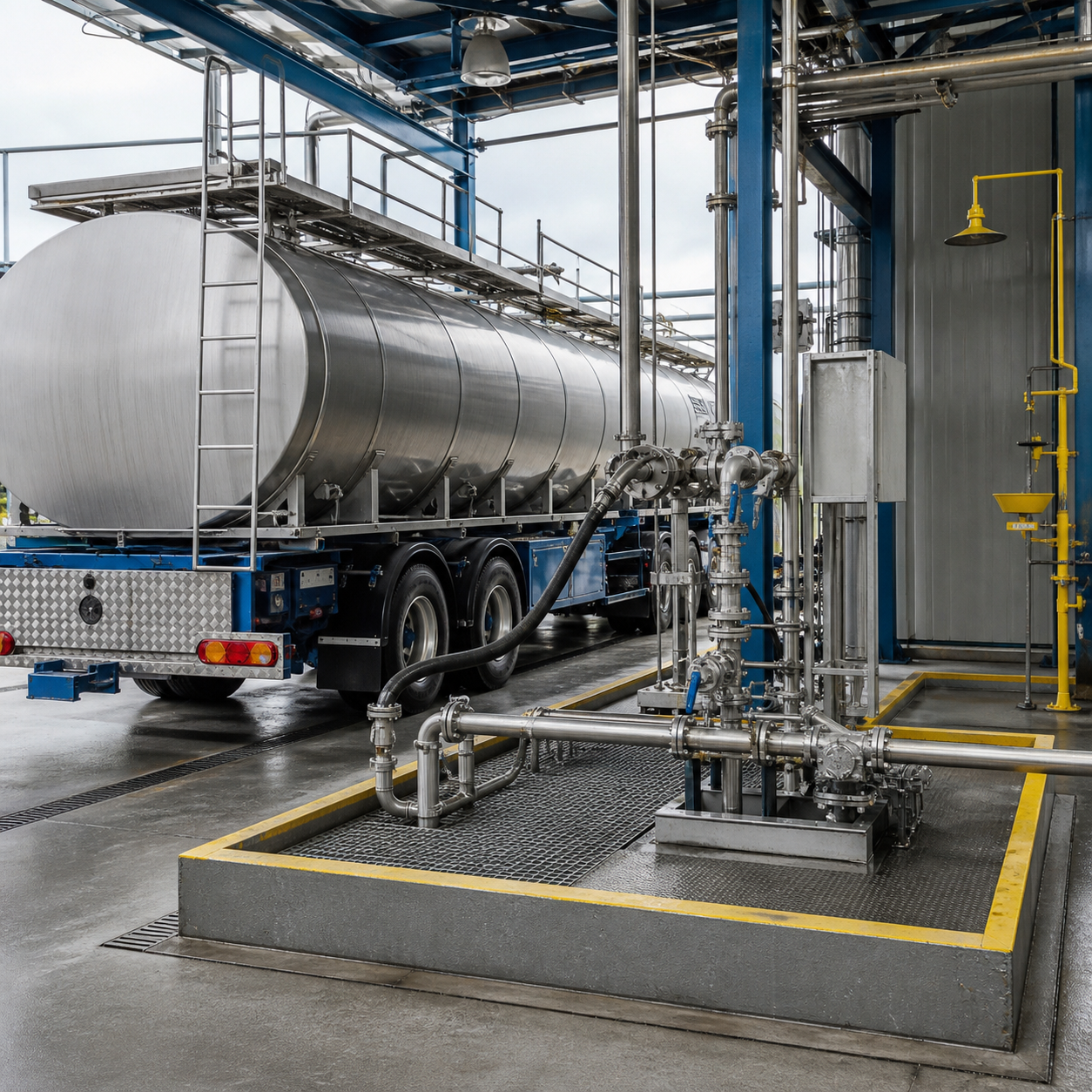
Select bulk tanker, ISO tank, IBC, drum or smaller approved package only after compatibility and regulatory review. Confirm venting, gaskets, connections, hose materials, unloading rate, secondary containment and emergency isolation. Dedicated, clean equipment reduces both contamination and wrong-chemical risk.
Specify shipment identity and documents
Purchase orders should identify concentration, grade, quantity, package, lot traceability, COA, SDS language, seal and container numbers, origin documents, destination and delivery window. Quarantine loads with damaged closures, missing labels, seal mismatch or unexplained color until an investigation is complete.
Design receiving inspection and sampling
Verify shipment identity, documents, package condition and available tank capacity before connection. Use a written sampling plan with compatible equipment and a safe location. Check the agreed release characteristics, and retain samples for the defined investigation period. Never improvise an open sample where hydrogen chloride vapor could expose personnel.
Use authoritative hazard references
The NIOSH Pocket Guide entry for hydrogen chloride identifies hydrochloric acid as aqueous hydrogen chloride and summarizes exposure, symptoms, incompatibilities and emergency information. The NIH PubChem record provides identity and hazard context. Site controls must follow the current supplier SDS and applicable local rules.
Qualify continuity and change control
Review the manufacturing and loading site, quality system, lot traceability, retained samples, complaint handling and business continuity. Define significant changes, including raw material source, concentration range, purification, analytical method, package, loading point and transport equipment. Approve alternate sources through the same route before emergency use.
Issue a complete hydrochloric acid RFQ
State application, assay, impurity limits and methods, annual and shipment volume, packaging, destination, incoterm, documents, delivery schedule and change-notification period. Review the Hiacid hydrochloric acid supply page, then request a specification-based quotation.
Related hydrochloric acid resources
- Hydrochloric Acid for Steel Pickling Process Control
- Hydrochloric Acid for Industrial pH Control and Dosing
- Hydrochloric Acid for Industrial Metal Chloride Manufacturing
Frequently asked questions
Is 31–37% hydrochloric acid one standard grade?
No. Buyers should define the exact assay range, analytical basis, impurities, packaging and receiving requirements.
Why compare quotations on pure-HCl equivalent?
Delivered solution contains different amounts of active HCl and water, so price per tonne alone can mislead.
Which impurities should every buyer specify?
There is no universal panel; choose limits from the application, equipment and final-product risk.
What should trigger shipment quarantine?
Examples include damaged packaging, seal or label mismatch, missing documents, abnormal color or a failed agreed acceptance test.