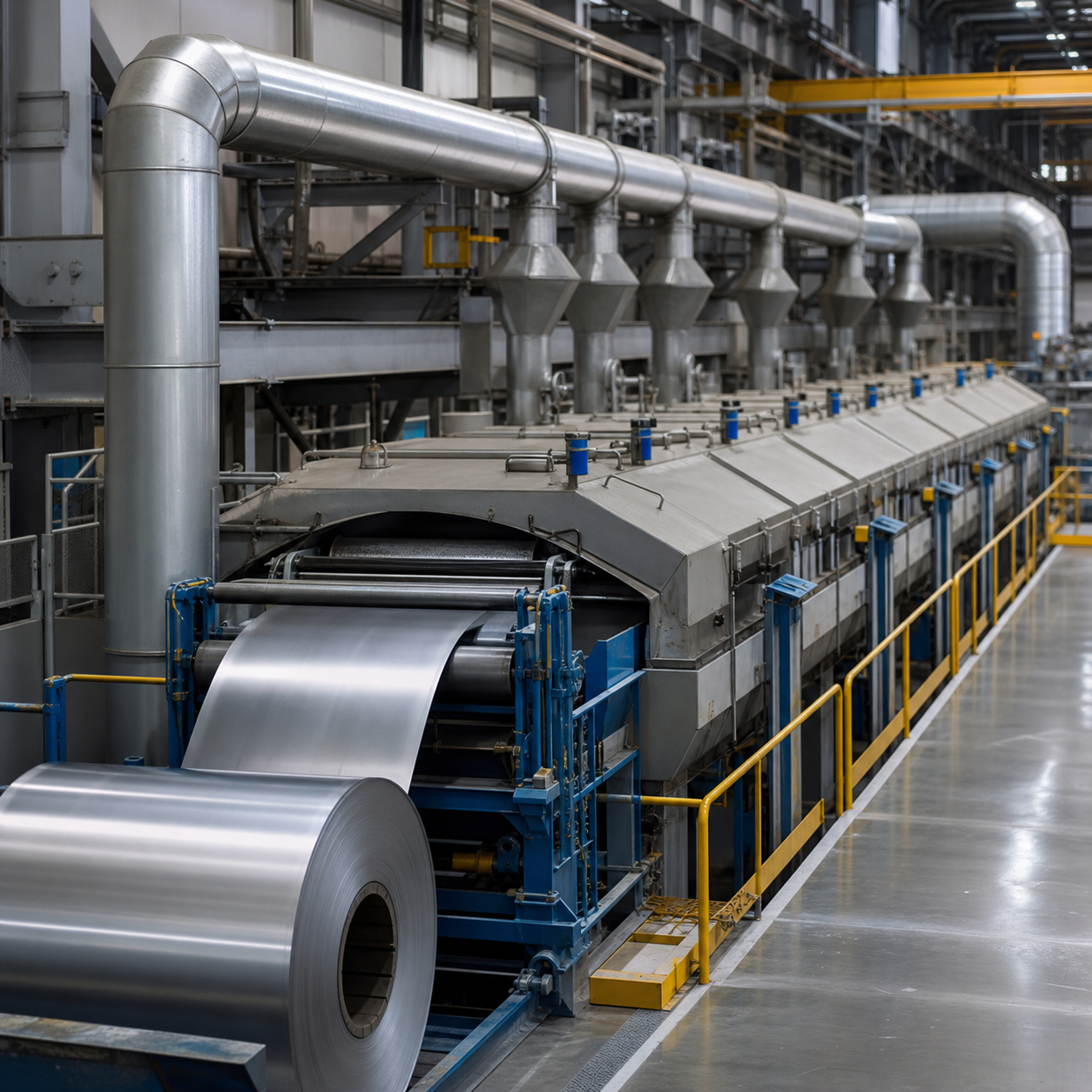
Hydrochloric acid is used in many steel pickling operations to remove oxide scale before rolling, coating, drawing, plating or fabrication. Performance depends on more than fresh-acid concentration. Steel grade, scale condition, temperature, residence time, turbulence, dissolved iron, inhibitor program, drag-in, rinse control and line speed all influence the cleaned surface. A line that reacts slowly may have an acid-balance problem, excessive iron loading, poor circulation, difficult scale or an equipment limitation; simply adding more acid can increase fuming, corrosion and waste without resolving the cause. Buyers should connect incoming hydrochloric acid lots to bath records and finished-surface results. Procurement specifications should control concentration and only those impurities that affect the process, while operations should define bath operating windows, replenishment logic and discard or regeneration criteria. Engineering and EHS must also control enclosure, ventilation, mist capture, storage and transfer. Validation should use representative steel products and real line conditions rather than only laboratory coupons.
For B2B implementation of Hydrochloric Acid for Steel Pickling Process Control, assign ownership across purchasing, quality, production, engineering, logistics and EHS before the first delivery. Approve the receiving test, compatible handling system, deviation response, retained-sample period and supplier-change process in writing. This shared control plan helps separate raw-material variation from equipment or operating changes and provides objective evidence for investigations.
Characterize steel and oxide scale
Document steel chemistry, product form, prior thermal history, scale thickness and required surface condition. Strip, rod, wire, tube and discrete parts can demand different mechanical handling and exposure. Establish representative worst cases instead of assuming one residence time works for every product.
Separate mechanical and chemical variables
Descaling performance reflects both chemistry and contact. Check entry scale breaking, agitation, line speed, bath circulation and temperature before changing acid concentration. Record these factors with surface inspections so investigations distinguish raw-material variation from equipment or operating changes.
Control acid and dissolved iron together
Measure free acid and dissolved iron using validated methods and sampling points. Total acidity alone may not describe available pickling capacity. Define operating, warning and action ranges, then link replenishment, bleed, regeneration or bath replacement to those ranges and to observed product quality.
Manage inhibitor performance
Select an inhibitor that is approved for the steel, downstream coating and operating temperature. Verify dosing, mixing and replenishment rather than relying on initial charge. Too little inhibitor can increase base-metal attack, while an unsuitable or excessive addition may contribute to residues or downstream problems.
Specify incoming hydrochloric acid
Set assay and process-relevant limits for iron, sulfate, free chlorine, residue or color where supported by evidence. Review multiple COAs and correlate supplier tests with the plant laboratory. Concentration changes alter both active acid and the water balance, so purchasing substitutions require technical review.
Protect storage and transfer integrity
Use compatible dedicated tanks, vents, pumps, piping, hoses and gaskets. Prevent cross-contamination from rinse water, spent pickle liquor or other acids. Confirm receiving capacity and line-up before unloading, and maintain traceability from delivery lot to the pickling bath.
Control rinsing, emissions and spent liquor
Effective rinsing limits acid and iron carryover into downstream operations. Track rinse quality, flow and difficult geometry. Capture acid mist and hydrogen chloride emissions through engineered enclosure and ventilation, and manage spent liquor according to approved regeneration, recovery or disposal routes.
Use EPA industrial context
The US EPA steel pickling and hydrochloric acid regeneration page explains that HCl solutions remove oxide scale from steel and describes regulated emission sources in affected US facilities. It is useful context, but each plant must identify its own legal and process-control obligations.
Validate surface quality and supplier changes
Define inspection lighting, reference standards, defect categories, sampling frequency and downstream tests. Trend over-pickling, under-pickling, stains, residues and coating failures with bath data. Run controlled trials after significant supplier, inhibitor, steel or process changes.
Prepare a pickling-acid RFQ
Provide concentration, impurity limits and methods, monthly consumption, package or tanker requirements, delivery frequency, COA, SDS language and change-notification expectations. Review the Hiacid hydrochloric acid supply page and the 31–37% buying guide, then discuss your pickling specification.
Related hydrochloric acid resources
- 31–37% Hydrochloric Acid Buying Specification for Industry
- Hydrochloric Acid for Industrial pH Control and Dosing
- Hydrochloric Acid for Industrial Metal Chloride Manufacturing
Frequently asked questions
Does higher fresh-acid concentration always increase pickling speed?
No. Temperature, dissolved iron, scale condition, contact and line speed can be limiting factors.
Why monitor free acid and iron separately?
They provide a more useful picture of bath condition than a single total-acidity result.
Can any corrosion inhibitor be used?
No. The inhibitor must be validated for the steel, bath conditions and downstream process.
What should be included in a steel pickling trial?
Use representative steel, real line settings, bath analysis, surface inspection and downstream performance checks.