Hydrochloric acid solution is commonly transported under UN1789, but a UN number alone is not a complete shipping plan. Concentration, applicable transport mode, packing group, package approval, quantity, origin, transit countries and destination determine the required classification, marks, labels and documents. The shipper must use current dangerous-goods rules and competent personnel for the actual consignment. Storage and logistics decisions are closely connected: the selected package must be compatible with the acid, protect product quality, fit the receiving connection and withstand the approved transport route. Concentrated hydrochloric acid can release hydrogen chloride vapor, and it is corrosive to many materials. Wrong connections, damaged closures, blocked vents or incompatible residues can create serious incidents. Procurement should therefore confirm the final specification and destination before booking equipment. A robust supply plan includes package inspection, filling controls, seal records, document review, carrier qualification, route planning, emergency information and receiving acceptance. Any change in concentration, package or loading point should trigger review rather than being treated as a commercial substitution.
For B2B implementation of Hydrochloric Acid UN1789 Storage and Export Shipping Guide, assign ownership across purchasing, quality, production, engineering, logistics and EHS before the first delivery. Approve the receiving test, compatible handling system, deviation response, retained-sample period and supplier-change process in writing. This shared control plan helps separate raw-material variation from equipment or operating changes and provides objective evidence for investigations.
Confirm classification for the consignment
Record the proper shipping name, UN number, class, packing group and marine or environmental provisions required by the applicable rules. Confirm concentration and composition using the current SDS and shipper classification. Requirements can differ by road, sea, rail or air and by jurisdiction.
Avoid copying old documents blindly
Regulations, carrier rules and routes change. Revalidate templates, emergency contacts, language, package codes and marks for each shipment program. A previous bill of lading or declaration is evidence of history, not proof that a new consignment is compliant.
Select compatible approved packaging
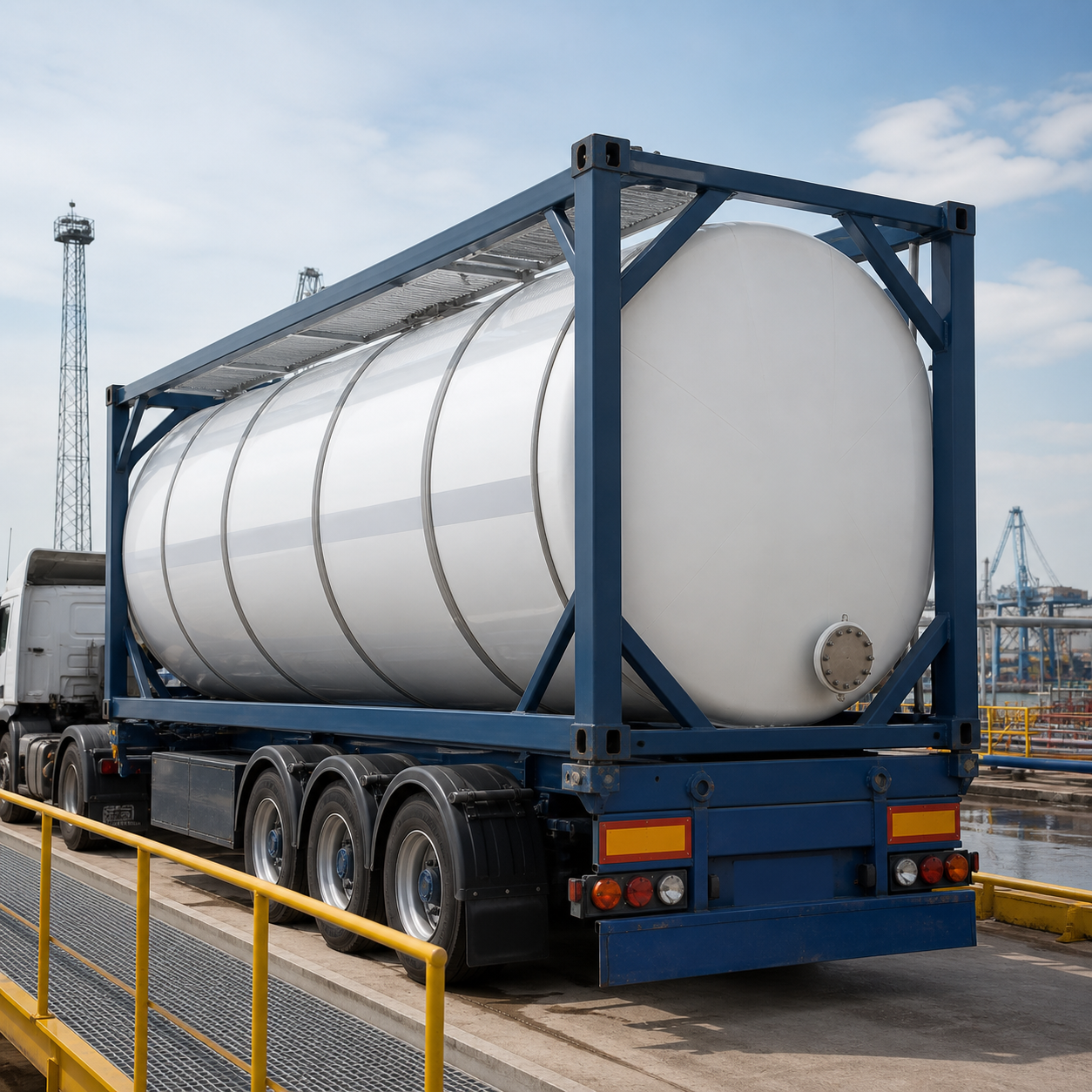
Choose tank, ISO container, IBC, drum or smaller package only after confirming regulatory authorization and chemical compatibility for the concentration and service temperature. Review shell or lining, gasket, closure, valve, vent, frame and expected journey.
Inspect before filling and dispatch
Verify package identity, test dates, cleanliness, dryness where required, valve condition, labels and absence of damage. Confirm that prior cargo and cleaning history do not create contamination or incompatibility. Record quantity, seal and container numbers and preserve traceability to the production lot.
Plan segregation and route controls
Keep hydrochloric acid away from incompatible alkalis, reactive metals and materials identified by the SDS and transport rules. Consider shared containment, drainage and emergency equipment. The route assessment should cover port restrictions, weather, dwell time, transshipment and destination receiving hours.
Qualify carrier and emergency communication
Use carriers and freight partners approved for the mode and route. Provide accurate dangerous-goods documents and current emergency contacts. Align response information among shipper, carrier, terminal and consignee so an incident does not depend on searching for missing product details.
Prepare compatible receiving and storage
Before dispatch, confirm the consignee has capacity, correct connection, compatible hose or piping, vent system, containment and trained personnel. Unloading should include shipment identity, seal, package condition, valve line-up and communication checks. Quarantine product when documents or condition do not match.
Use current health information
The NIOSH hydrogen chloride entry lists DOT identification for hydrogen chloride solution and summarizes exposure and incompatibility information. Use it as supporting context with the current SDS and governing transport code; it does not replace shipper classification or local legal advice.
Connect commercial terms to execution
Define incoterm, named place, allocation of dangerous-goods duties, free time, demurrage, cleaning, package return and document timing. Specify who approves substitutions and who bears cost when the destination rejects an unapproved package or incomplete paperwork.
Prepare an export-ready RFQ
State concentration, grade, quantity, package, destination, transport mode, incoterm, requested delivery date, document list and receiving constraints. Review the Hiacid hydrochloric acid supply page and the 31–37% specification guide, then request an export supply quotation.
Related hydrochloric acid resources
- 31–37% Hydrochloric Acid Buying Specification for Industry
- Hydrochloric Acid for Steel Pickling Process Control
- Hydrochloric Acid for Industrial pH Control and Dosing
Frequently asked questions
Is every hydrochloric acid solution shipped in the same packing group?
No. The shipper must classify the actual concentration and consignment under the current rules for the transport mode.
Can any acid-resistant container be used?
No. Packaging must be both legally authorized and compatible with the product and journey.
What should the consignee confirm before dispatch?
Capacity, compatible connection, venting, containment, personnel, delivery window and document requirements.
Why control changes in loading point or package?
They can affect cleanliness, compatibility, classification, receiving connections and approved logistics procedures.