Evaluate sulfuric acid suppliers by specification control, batch consistency, packaging, documentation, production capacity, logistics and communication.






Phosphorous acid is an important phosphorus-containing intermediate whose chemistry differs from phosphoric acid. Industrial users value it as a source of phosphite chemistry and for its reducing behavior in selected processes. Understanding phosphorous acid uses helps buyers define the correct grade, controls and handling system for each application.
One of the principal industrial roles of phosphorous acid is as an intermediate for manufacturing other phosphorus compounds. Its structure and phosphorus oxidation state make it suitable for reaction routes that do not use phosphoric acid interchangeably. Process developers therefore evaluate reaction yield, impurity profile, water content and downstream purification before selecting a feedstock.
In these applications, consistent assay and controlled trace impurities support predictable conversion. Buyers should specify the parameters that affect their reaction rather than accepting a broad, non-application-specific description.
Phosphorous acid can act as a reducing agent in appropriate chemical systems. It may also be used as an input in formulations or manufacturing routes designed to limit unwanted oxidation or support stabilization. Performance depends on the full formulation, concentration, temperature, pH and contact materials, so laboratory validation is essential.
Phosphorous acid may be used as an intermediate in the production of phosphorus-based treatment chemicals and scale-control products. The finished treatment program, not the raw material alone, determines performance. Industrial formulators should qualify the raw material against their synthesis and finished-product specifications and comply with all rules applicable to the intended water system.
Phosphorous acid is associated with the manufacture and formulation of phosphite-related agricultural products. It must not be confused with phosphoric acid or treated as an automatically interchangeable source of plant phosphorus. Product registration, permitted claims, concentration and use instructions vary by country and formulation. Manufacturers and distributors should follow local regulations and validate crop safety for the finished product.
Raw phosphorous acid is corrosive and is not a ready-to-use field product. Uncontrolled application may damage plants or equipment. Agricultural use decisions should be based on an approved formulation, label directions and qualified agronomic advice.
Translate the application into a written raw-material specification. Review multiple COAs, validate a traceable sample and confirm packaging compatibility. The Hiacid phosphorous acid page provides a starting point for product enquiries, while our buying guide explains the qualification process. If the distinction between common phosphorus acids is important to your project, see phosphorous acid vs phosphoric acid.
It is used mainly as a chemical intermediate and a source of phosphite chemistry, including routes connected with reducing, stabilization, water-treatment and agricultural formulations. Suitability must be confirmed for the specific process.
No general substitution should be assumed. The two compounds have different formulas, oxidation states and reaction behavior. Any replacement requires technical review and process validation.
Industrial raw material should not be treated as a ready-to-use agricultural product. Only properly formulated and authorized products should be used, according to their local label and qualified guidance.
Provide the intended industry, process, target specification, annual demand, preferred packaging and destination. Use the contact form to discuss the appropriate commercial product and documents.

A reliable phosphorous acid supplier must consistently deliver the agreed chemistry, documents, packaging and schedule. The lowest quotation can become expensive if a shipment creates production delays, quality investigations or import problems. A structured supplier review helps procurement teams compare total value and supply risk.
Begin with a clear, application-specific specification. Ask the supplier to confirm the exact chemical identity, grade, assay basis, physical form and controlled impurities. Review several recent certificates of analysis rather than a single ideal result. Consistent values and clear test methods provide better evidence than broad quality claims.
Ask how batches are identified, sampled, tested and released. The supplier should be able to connect the shipped package, COA and production record through a traceable batch number.
When a sample is needed, verify that it represents the proposed commercial grade and is traceable to a batch. Test it under realistic process conditions, record the results and define what must remain consistent in future shipments. A sample approval should not replace an agreed purchase specification.
Request a current SDS, product specification, COA format and relevant transport information. Confirm that names and identifiers match across documents. For repeat supply, establish how the supplier will notify you about meaningful changes to the manufacturing site, process, raw materials, test methods or packaging.
Communication during deviations is equally important. Agree on complaint contacts, evidence requirements, response timing and corrective-action expectations before the first large shipment.
The supplier should propose packaging compatible with the product and your unloading system. Review closure, labeling, palletization, restraint and container loading. For international orders, evaluate experience with the destination, required shipping documents and realistic port-to-port lead time.
Ask for a loading plan and shipment photos when appropriate. Clear control of package count, lot numbers and container condition reduces receiving disputes. Our storage and handling guide lists additional facility checks.
Normalize each offer to the same grade, quantity, packaging, Incoterm and delivery period. Include freight, duties, handling, inspection, financing, inventory and potential downtime in the comparison. Confirm quotation validity, payment terms, production lead time and the process for schedule changes.
A practical scorecard can weight quality, technical response, documents, delivery, packaging and cost. Reassess performance after each shipment using objective receiving and production data.
Share realistic demand forecasts and critical specifications, and identify alternative packaging or shipment plans before a disruption occurs. Periodic reviews can cover COA trends, delivery performance, claims and improvement actions. Buyers should also understand the underlying application; see our guide to phosphorous acid uses.
Common documents include the product specification, recent batch COAs, current SDS, transport information and quotation. Additional documents depend on the application and destination.
Reviewing several recent production batches gives a better view of consistency than checking only one certificate. Focus on parameters that are critical to your process.
Not necessarily. Compare landed cost, specification fit, consistency, packaging, lead time, documents and response to problems. These factors influence the real cost of supply.
Review the Hiacid phosphorous acid product page, then send the required specification, quantity, packaging, destination and schedule through our contact page.
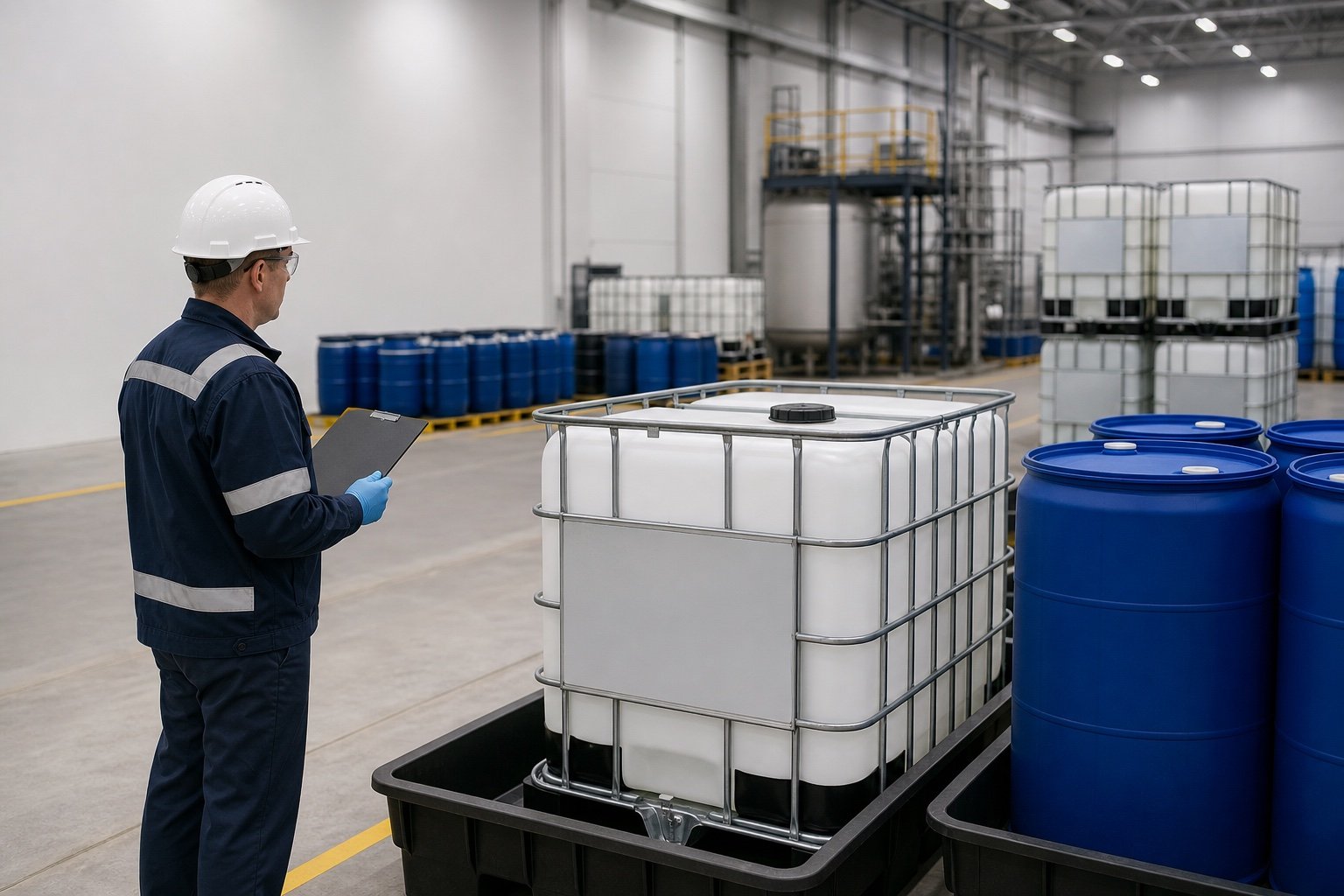
Buying phosphorous acid for industrial use is not simply a matter of comparing one purity number and one price. The right material must fit the process, quality-control plan, packaging system, destination rules and delivery schedule. This phosphorous acid buying guide gives procurement and technical teams a practical framework for evaluating offers before placing an order.
Start with the application rather than a generic grade name. Phosphorous acid is commonly identified as H3PO3, and commercial specifications may report assay, appearance, iron, chloride, phosphate and other controlled impurities. The relevant limits depend on how the material will be used. A specification that is adequate for one synthesis route may be unsuitable for a process that is sensitive to color or trace metals.
A useful purchase specification should state the test method and acceptance limit for every critical parameter. It should also identify the physical form, sampling plan and any customer-specific requirements. Ask the supplier for a current product specification and recent certificates of analysis, then compare the results with your actual process limits.
A high nominal assay does not by itself prove consistent performance. Review several recent COAs to see whether results remain comfortably within specification or move close to the acceptance limits. Ask how incoming raw materials, production batches and final release tests are controlled. For repeat purchases, batch-to-batch consistency can be more valuable than a small difference in headline purity.
A representative sample may be appropriate before a large order. Test it under the intended process conditions and document the result. The sample must be traceable to its batch and should represent the grade that will actually be shipped.
Packaging should protect the product through filling, inland transport, container loading, ocean freight and customer storage. Discuss the available drum, bag or bulk configurations with the supplier and confirm that the contact materials are compatible with the supplied form and concentration. The final choice should also match unloading equipment and local handling procedures.
Confirm closure type, liner or inner bag where applicable, pallet material, restraint method, labels and lot identification. For export shipments, ask for loading photos and a proposed container-loading plan. Good packaging is part of quality control: it helps prevent contamination, moisture exposure, leakage and handling damage.
Before approving a supplier, review the product specification, batch COA format, current safety data sheet and transport information. The quotation should clearly state grade, quantity, packaging, Incoterm, validity, lead time and payment terms. Compare landed cost rather than unit price alone, because packaging, freight, port charges and inventory risk can materially change the result.
For current product and packaging information, review our phosphorous acid product page. Buyers can also use the supplier evaluation checklist and the storage and handling guide before completing an approval.
Choose the grade whose tested specification matches your process and regulatory requirements. Share the application, target limits and expected annual volume with the supplier instead of relying only on a general grade label.
Check the batch number, test date, assay, appearance and every impurity relevant to your process. Confirm that the methods and units match the agreed specification and that the certificate is traceable to the shipped lot.
A traceable pre-shipment or qualification sample is useful when the application is sensitive, the supplier is new or the purchase volume is significant. Approval should be based on documented testing under representative conditions.
Send the required grade, specification, quantity, packaging, destination port and delivery schedule through the Hiacid contact page. Providing complete requirements helps the supplier prepare an accurate technical and commercial offer.

Phosphorous acid and phosphoric acid have similar names, but they are different chemical substances. Confusing them can change reaction performance, finished-product composition, safety assessments and purchasing specifications. This comparison explains the practical differences industrial buyers and formulators need to recognize.
Phosphorous acid is commonly represented as H3PO3, while phosphoric acid is H3PO4. The extra oxygen atom reflects an important chemical distinction. Phosphorus is in the +3 oxidation state in phosphorous acid and the +5 state in phosphoric acid. As a result, their reaction pathways and end uses are not interchangeable.
Phosphorous acid is associated with phosphite chemistry and has reducing properties in suitable systems. It is widely considered as an intermediate for other phosphorus compounds and specialized industrial formulations.
Phosphoric acid is associated with phosphate chemistry. It has a broad application profile across industrial processing and other regulated uses, with grades and impurity requirements selected for each market.
The number of hydrogen atoms shown in a formula does not by itself tell a buyer how many acidic protons behave the same way. Phosphorous acid is effectively diprotic in typical acid-base chemistry, whereas phosphoric acid is triprotic. Their salts are therefore described differently: phosphites derive from phosphorous acid and phosphates derive from phosphoric acid.
This distinction affects neutralization calculations, stoichiometry, pH adjustment and finished-product labeling. Process teams should use the correct molecular weight, reaction equation and assay basis in batch sheets.
Phosphorous acid can participate in oxidation-reduction chemistry and is selected for routes where its lower phosphorus oxidation state matters. Phosphoric acid is already at the higher +5 oxidation state and does not provide the same reducing behavior. Even when both materials can acidify a mixture, they may produce different salts and downstream results.
For practical examples, read our overview of phosphorous acid uses. Any proposed substitution should be tested by qualified personnel at laboratory scale before plant implementation.
A purchase order should state the full chemical name, CAS or other accepted identifier, grade, assay basis, impurity limits and physical form. Do not rely on the word “phosphorus acid,” which is sometimes used ambiguously. Request a specification, current SDS and batch COA and verify that every document identifies the same substance.
Packaging and transport classification must be reviewed for the actual product and concentration being shipped. Follow the supplier SDS and applicable carrier and destination-country requirements. Our phosphorous acid buying guide provides a complete approval checklist.
No. Phosphorous acid is H3PO3, and phosphoric acid is H3PO4. They have different phosphorus oxidation states, reaction behavior and salts.
Phosphite species are associated with phosphorous acid, while phosphate species are associated with phosphoric acid. The terms should not be used interchangeably in specifications or formulations.
No. Molecular weight, assay, acidity and reaction stoichiometry must be calculated for the actual substance and commercial concentration. A controlled trial is necessary when a process changes raw material.
Visit the phosphorous acid product page and send the intended application, specification and destination through our contact page.
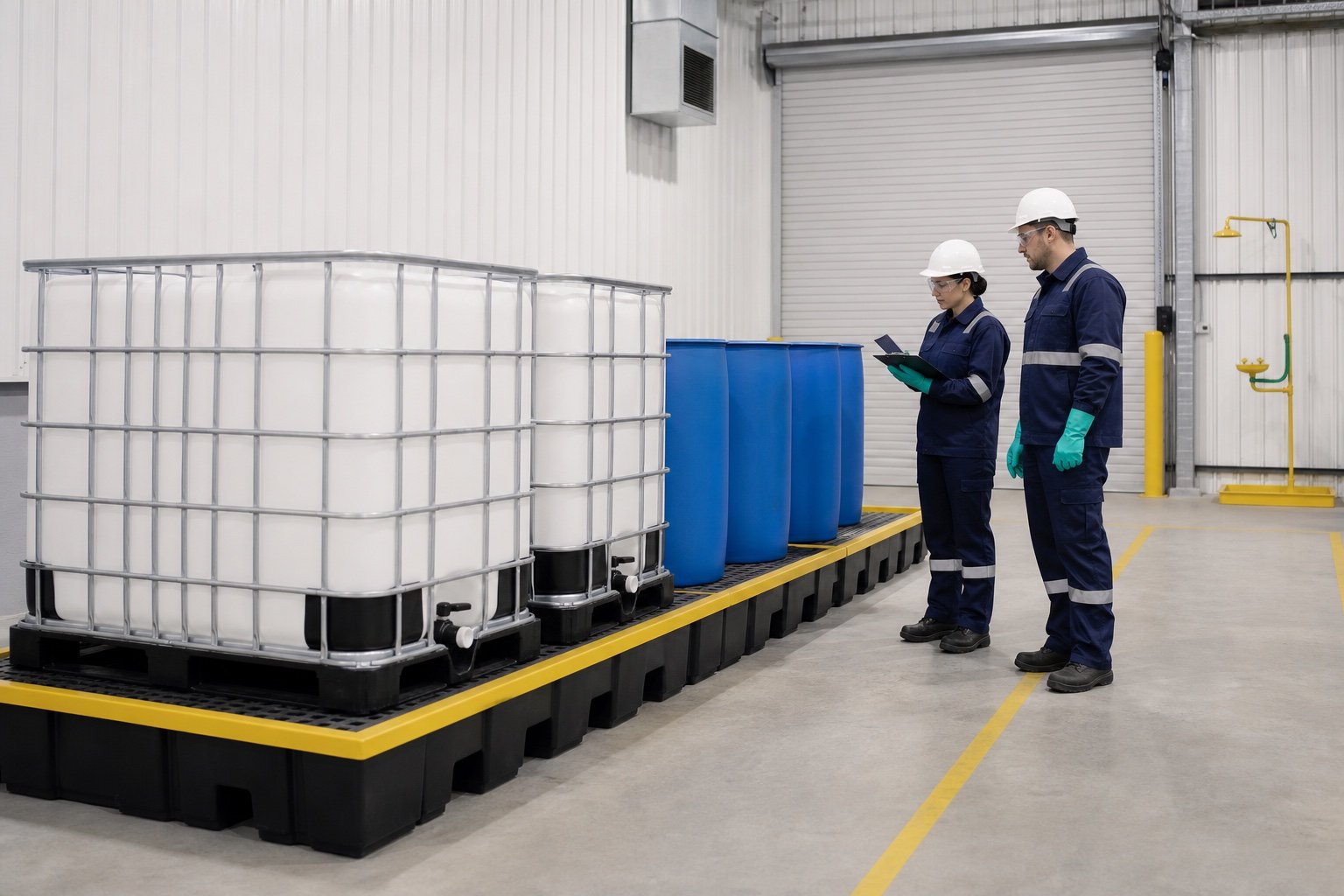
Safe phosphorous acid storage begins with the current supplier safety data sheet, a site-specific risk assessment and trained personnel. The material is corrosive, so storage and transfer systems must control contact, leakage and incompatible reactions. The following guidance is a procurement and facility-planning overview; the SDS and local regulations remain controlling.
Store packages in a cool, dry, well-ventilated area protected from physical damage and unauthorized access. Keep containers tightly closed and clearly identified. The floor and containment system should resist the stored product and hold a credible spill volume without allowing material to enter drains or soil.
Use barriers or curbs to protect drums and IBCs from vehicle impact. Establish receiving, quarantine and released-stock zones so damaged or unverified packages cannot enter normal production inventory.
Follow the SDS incompatibility section and the facility chemical-segregation plan. Keep phosphorous acid away from incompatible bases, oxidizing materials and any substances identified by the supplier. Do not base segregation decisions only on warehouse convenience or package appearance.
Tanks, drums, transfer lines, pumps, gaskets, valves and sampling tools must be suitable for the supplied form and concentration. Compatibility can change with temperature, impurities and exposure time. Obtain written guidance from equipment and material suppliers before building or modifying a system.
Inspect packages at receipt for corrosion, bulging, wetness, broken seals or labeling damage. Record the batch and package condition, and isolate any suspect unit for qualified evaluation.
Design transfer operations to minimize splashing and open handling. Use closed connections where practical, secure hoses, verify valve positions and provide emergency isolation. Operators should be trained on the written procedure before working independently.
Select chemical-resistant gloves, protective clothing, eye and face protection, footwear and respiratory protection through a documented hazard assessment. Ensure that eyewash and emergency shower facilities are accessible and inspected. Workers must know how to raise an alarm and obtain medical assistance.
A spill plan should define evacuation, area isolation, PPE, compatible containment materials, waste collection and notification responsibilities. Only trained responders should handle a release. Do not neutralize or wash material to a drain unless a site procedure and applicable law specifically permit it.
Keep an inventory of response equipment sized for the credible scenario. Review incidents and near misses, and update the procedure when packaging, concentration or storage volume changes.
Transport requirements depend on the actual product, concentration, packaging, mode and route. Verify the proper shipping description, labels, marks and documents against the current SDS and carrier requirements. The phosphorous acid product page is a starting point for a commercial enquiry, and the buying guide covers packaging approval.
No. Tank, lining, gasket and accessory compatibility must be verified for the exact product, concentration, temperature and service conditions.
Check package integrity, seals, labels, batch identification, quantities, transport condition and accompanying documents. Quarantine damaged or mismatched material.
The required PPE comes from the supplier SDS and a task-specific risk assessment. Eye and face protection, chemical-resistant gloves and protective clothing are typical considerations, but the final selection must reflect the exposure scenario.
Submit the intended grade, quantity, packaging and destination through the Hiacid contact page. Also review how to choose a phosphorous acid supplier with strong documentation controls.